FREE SHIPPING OVER $200

Symbols & Himalayan Stories
Prayer Beads
and Mala
Practice, material, and modern wear—read with care, bead by bead.
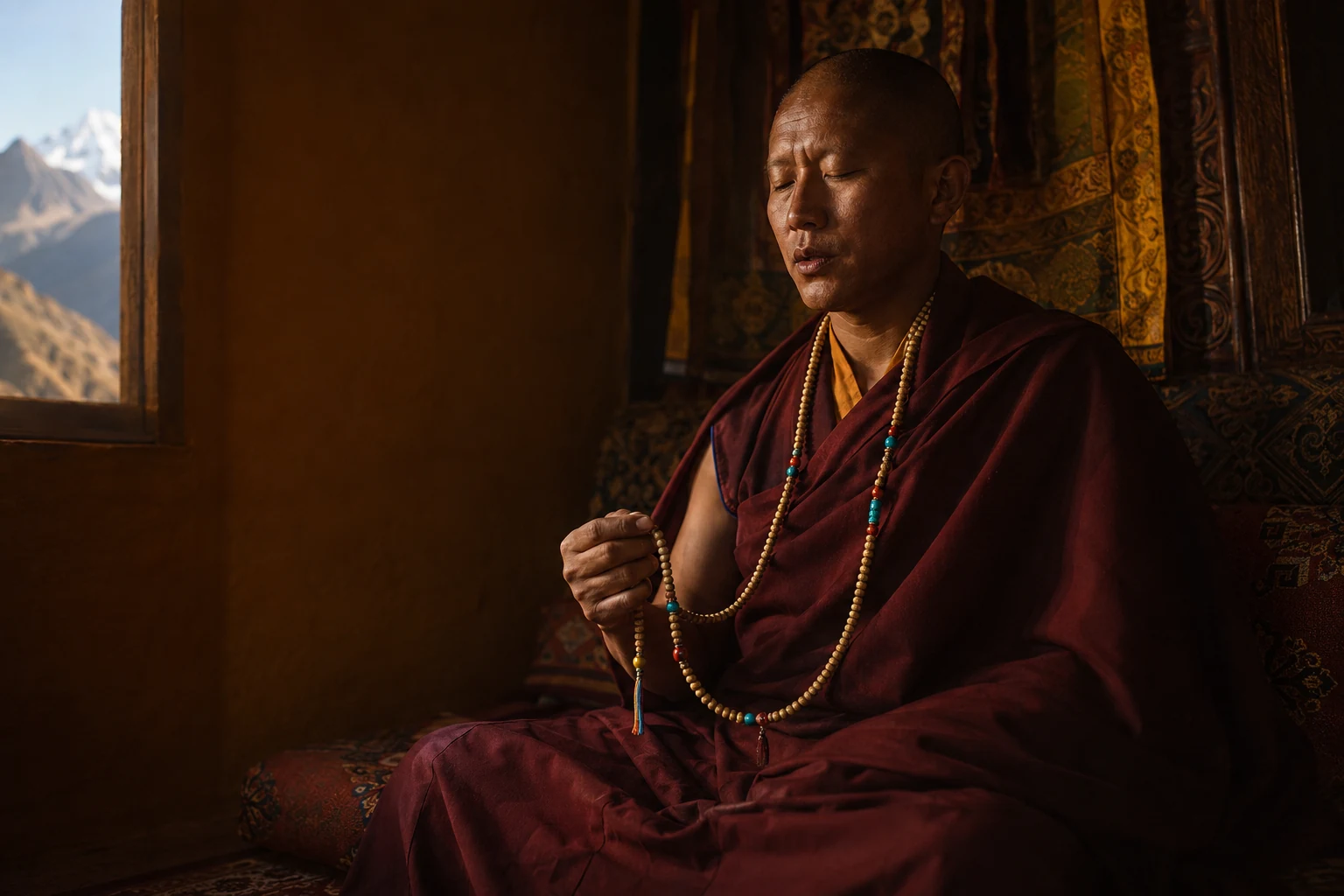
Mala beads are more than an ornamental necklace. Across Buddhist and Hindu traditions, a prayer-bead strand is a practical companion for recitation: one bead, one repetition, one return of attention.
01 · Meaning
What do mala beads mean in practice?
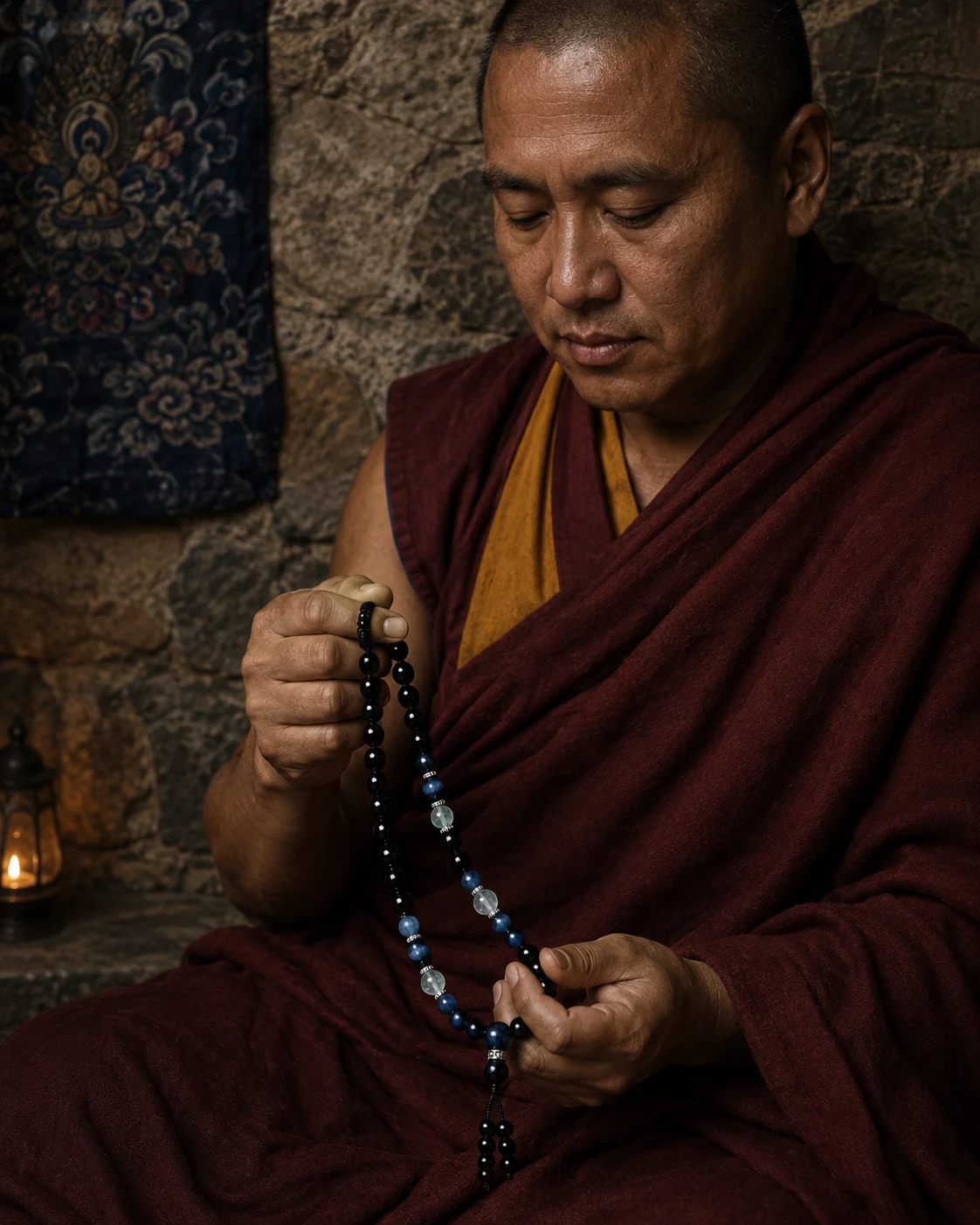
In Tibetan Buddhist contexts, prayer beads are also called trengwa; the Sanskrit word mala is often translated as “garland.” The strand offers a steady physical rhythm for mantra, prayer, or breath. Each bead can hold one recitation, freeing the mind from keeping a running total.
In many traditions, a practitioner pauses at the larger guru bead and turns the strand around rather than crossing over it. There is no substitute for lineage-specific guidance, but this simple action explains why the construction matters.
02 · A common count
Why are there often 108 beads?
A 108-bead mala is a widely recognised full format, not the only valid one. Shorter strands of 21, 27, or 54 beads are also used, and separators or counters can change the physical total.
03 · Construction
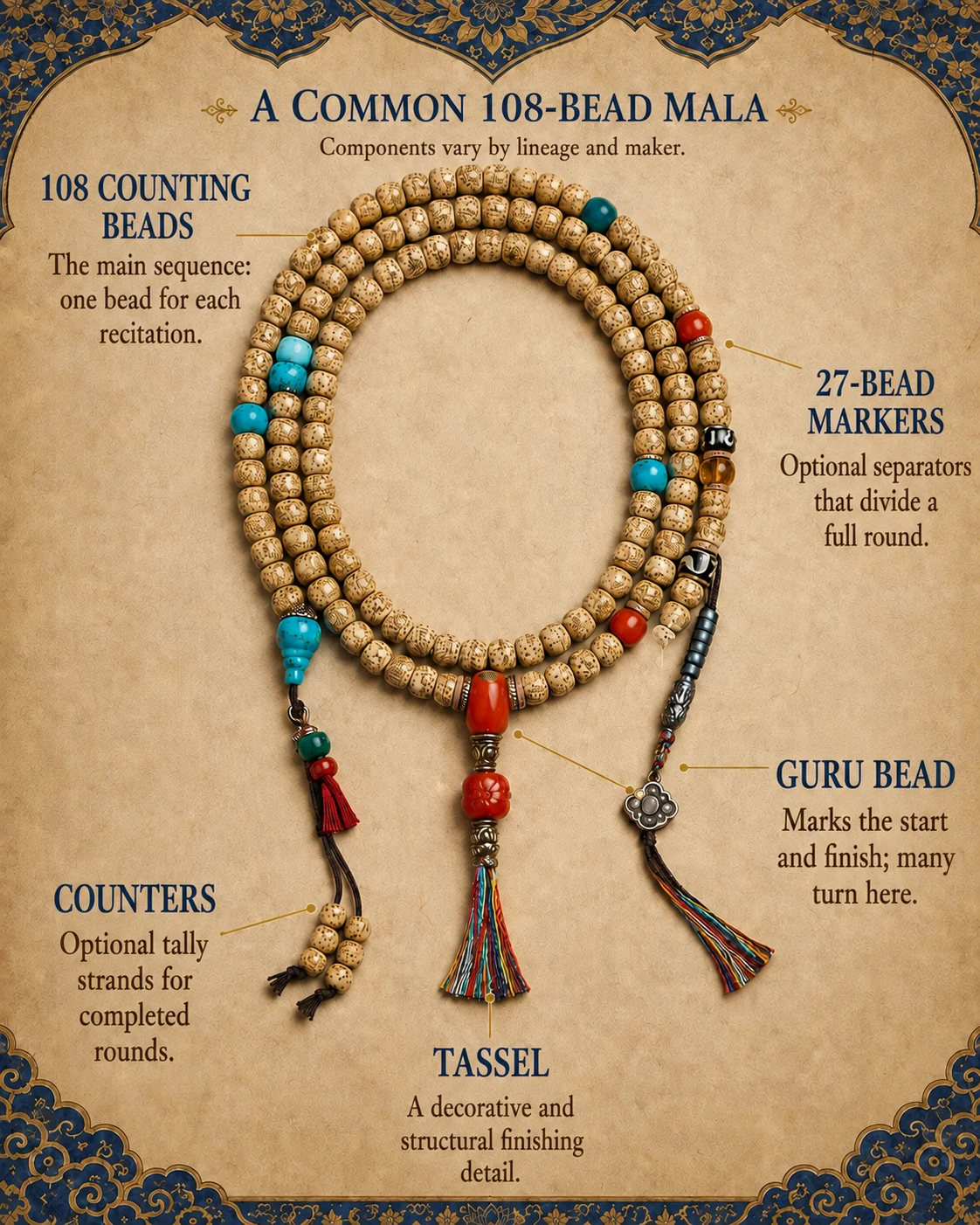
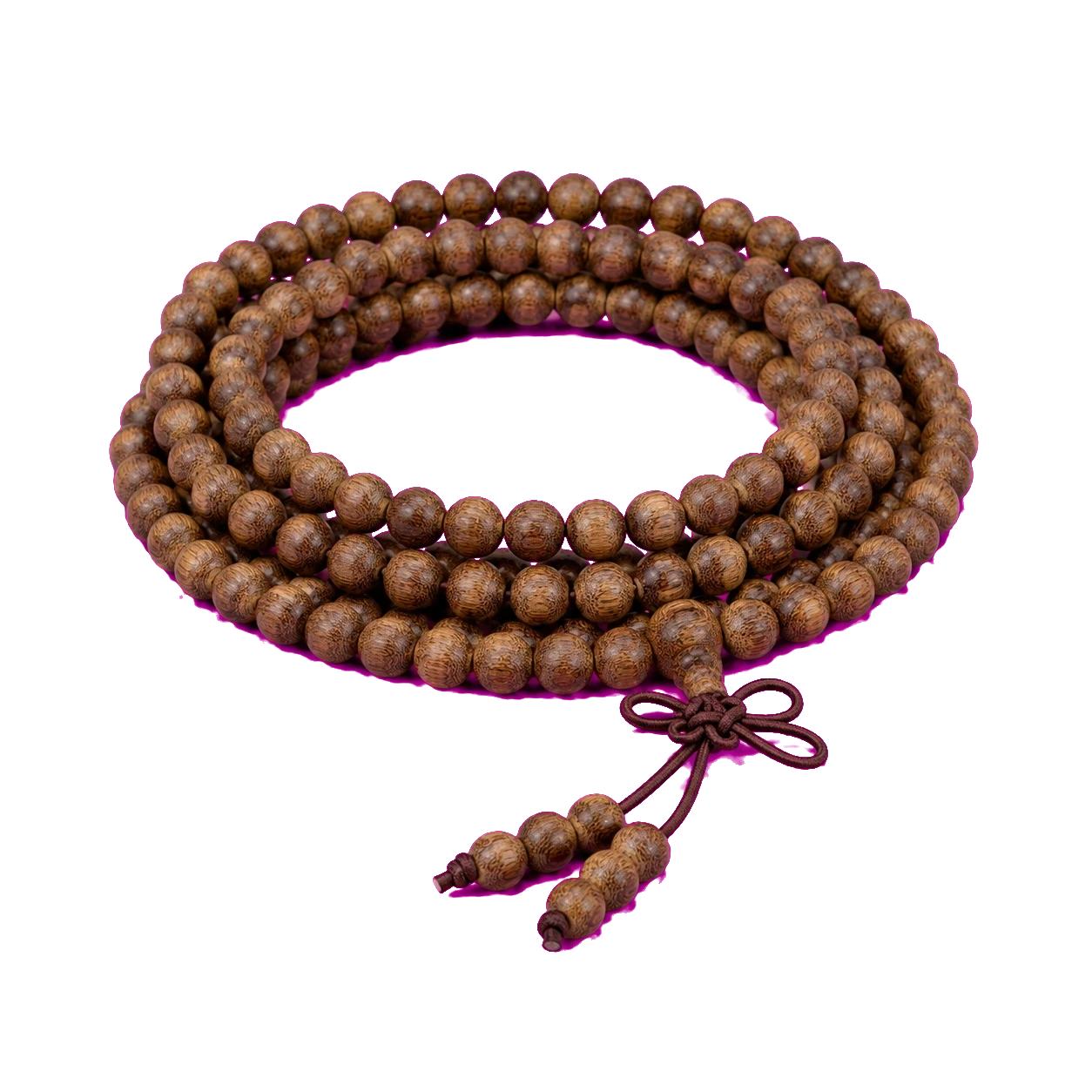
A common 108-bead mala, explained
108 beadsThe main sequence moved for recitation.
27 markersOptional separators that mark quarters.
Guru beadMarks the beginning and end of a round.
CountersOptional strands for recording completed rounds.
TasselA structural and visual finishing element.
- Begin beside the guru bead with a phrase, prayer, or breath count.
- Move one bead per recitation, without pulling the strand tight.
- Pause at the guru bead and reverse direction for another round if that suits your practice.
- Use counters only if they are useful to you.
04 · Material
Seed, wood, stone, and crystal
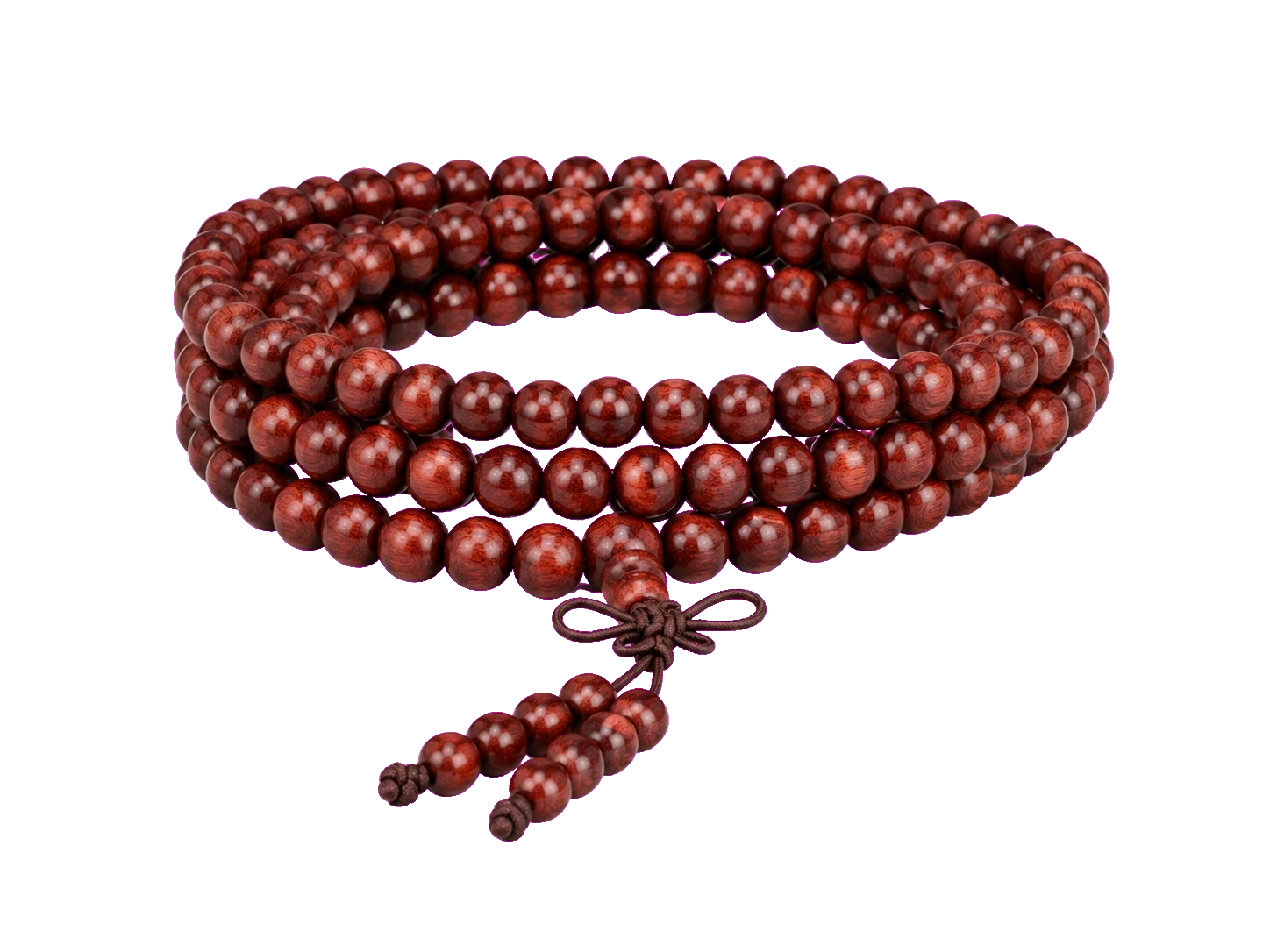
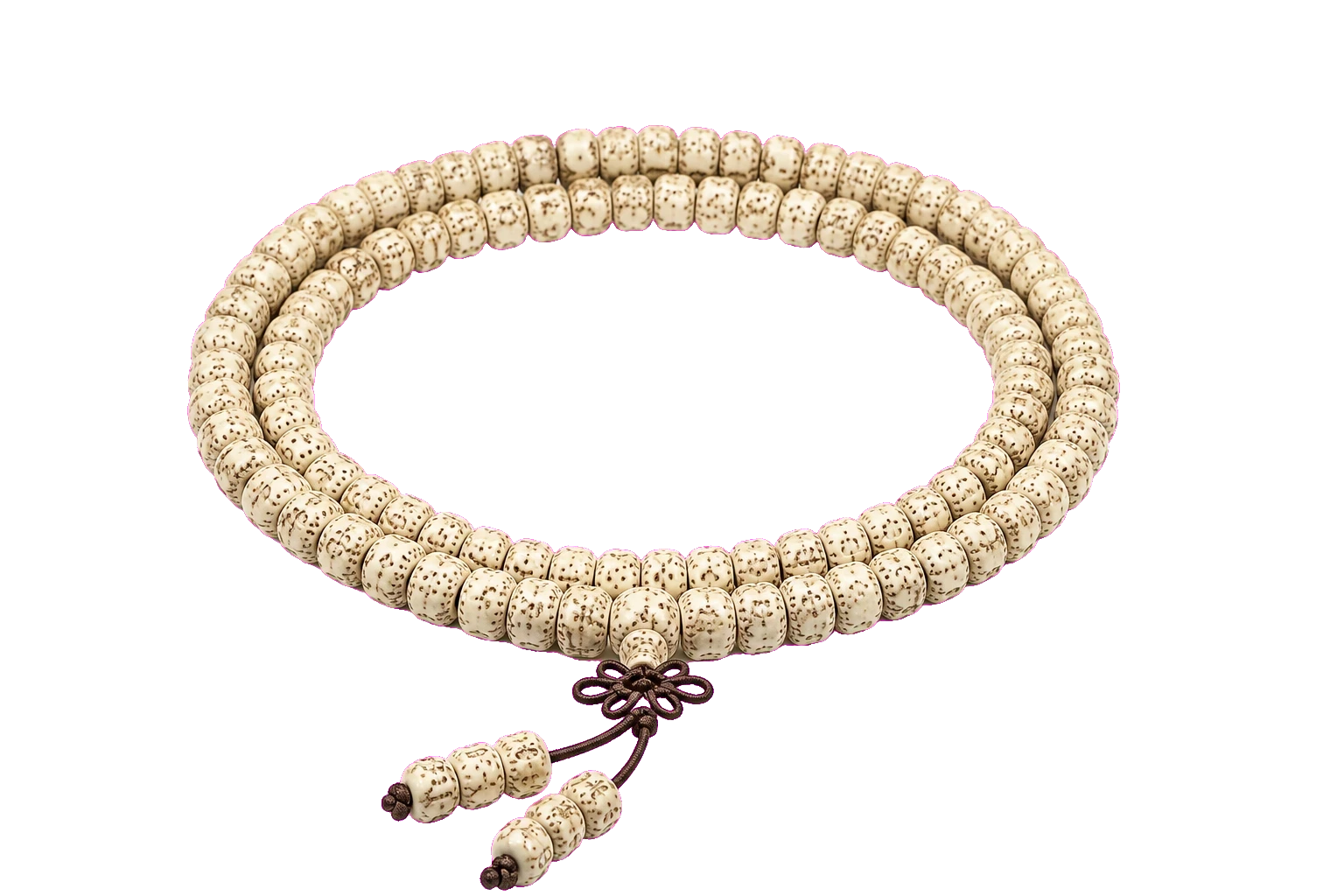
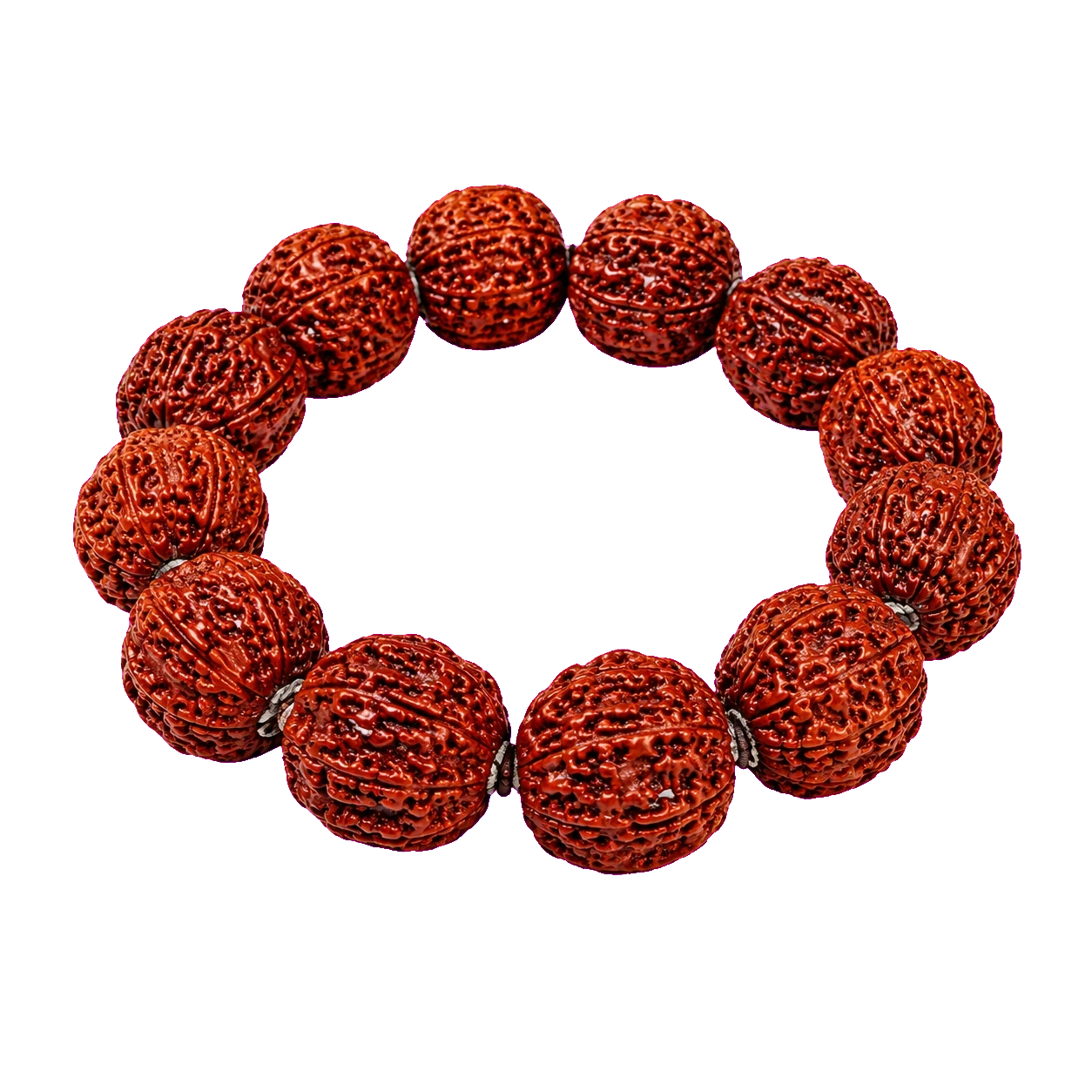
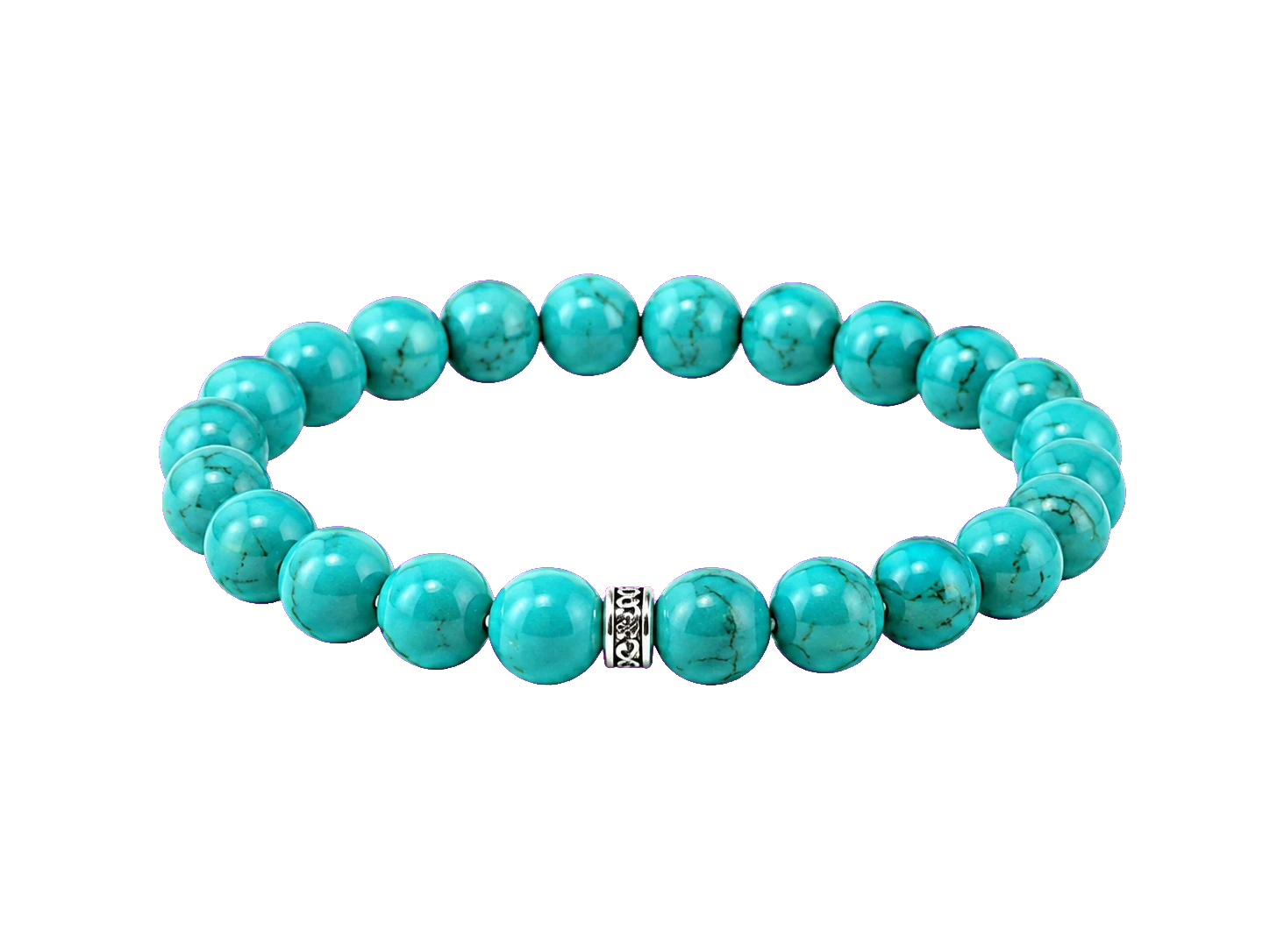
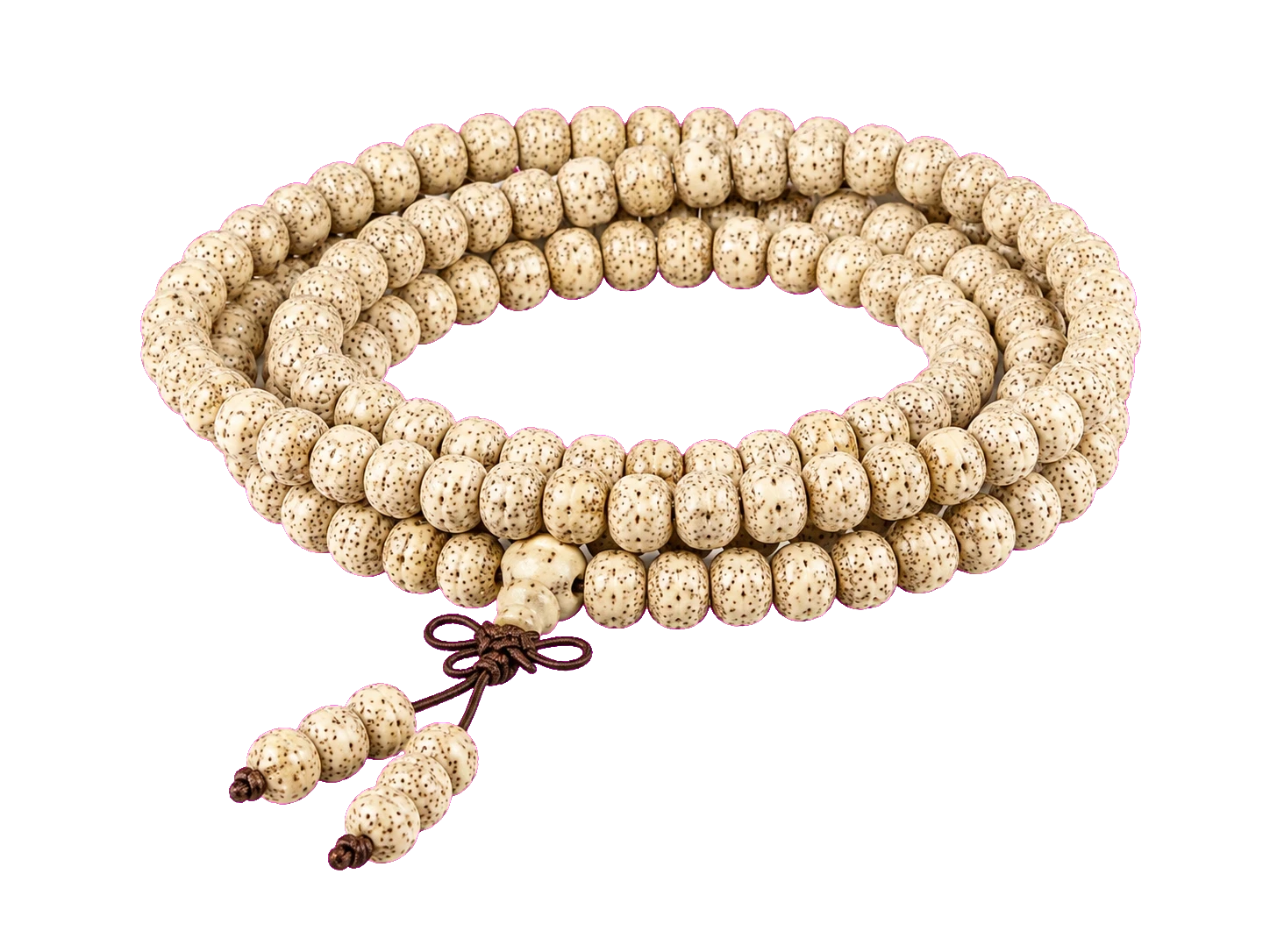
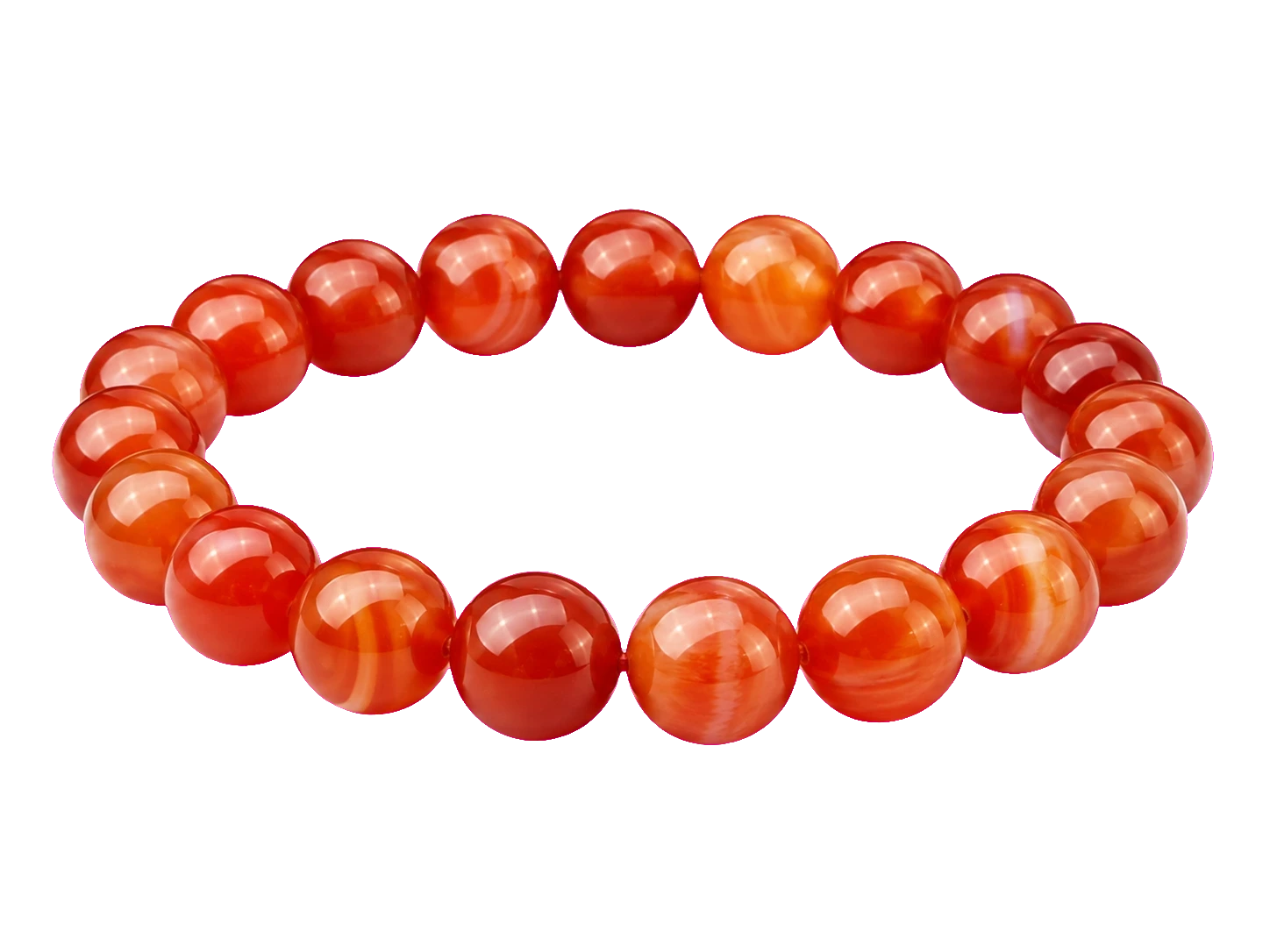
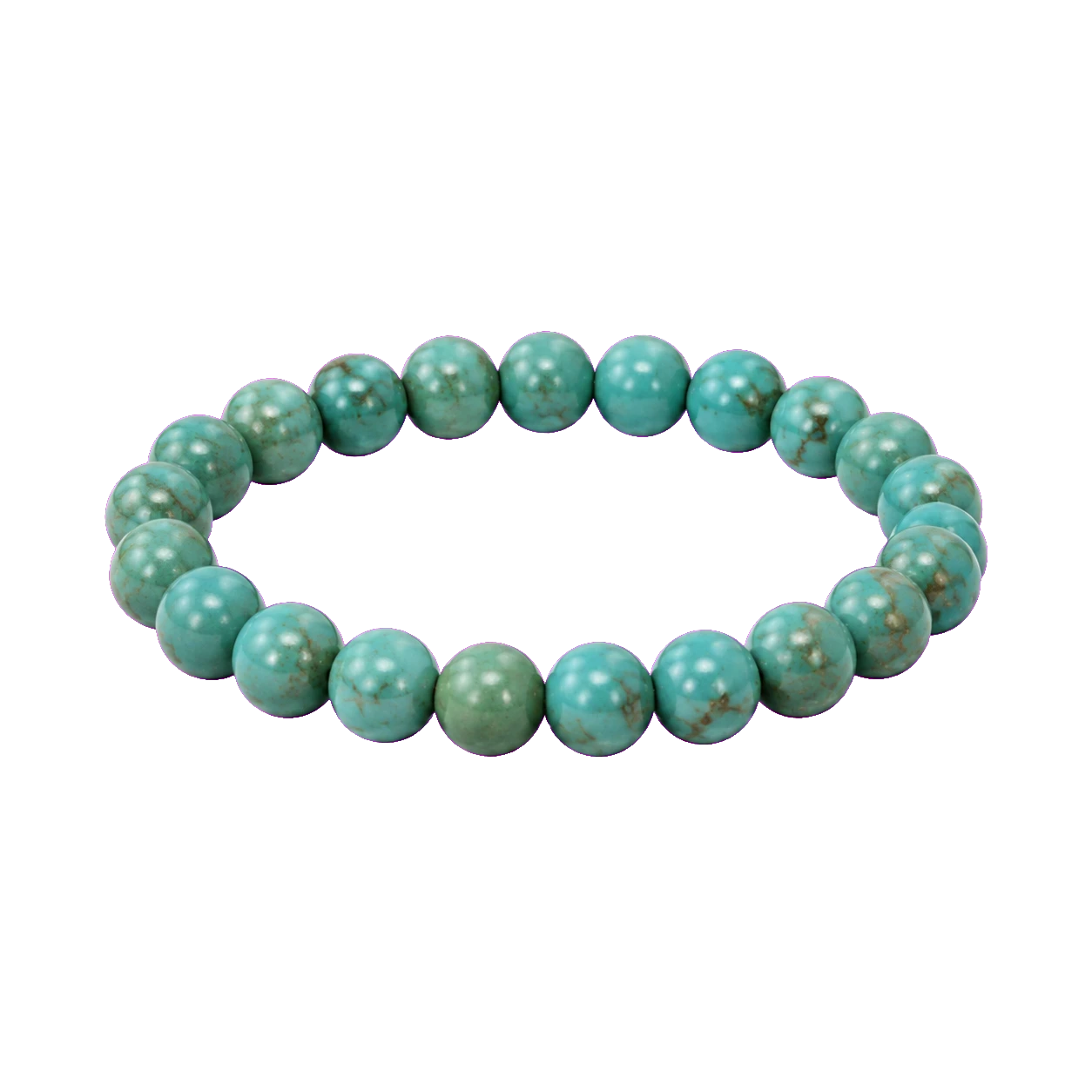
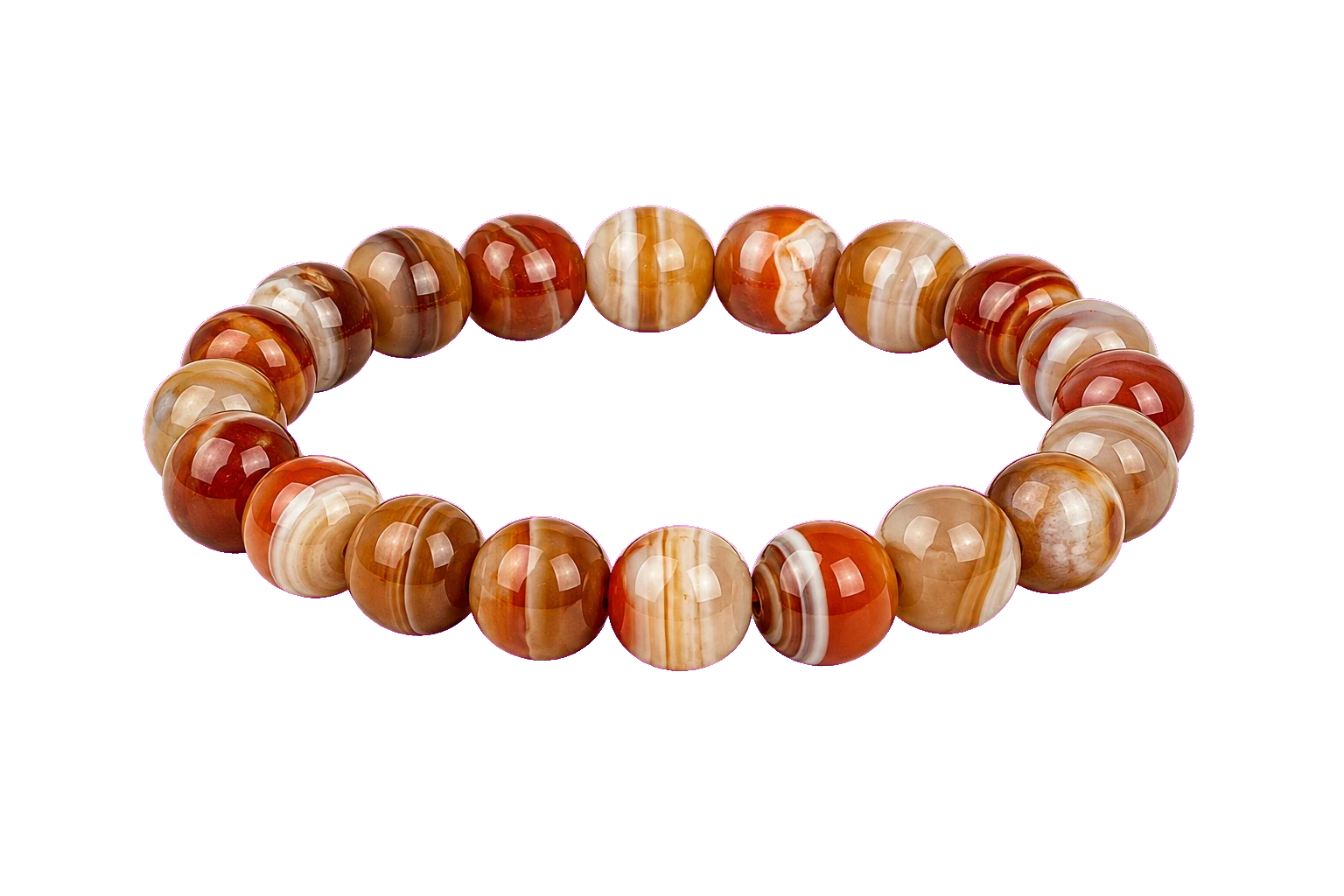
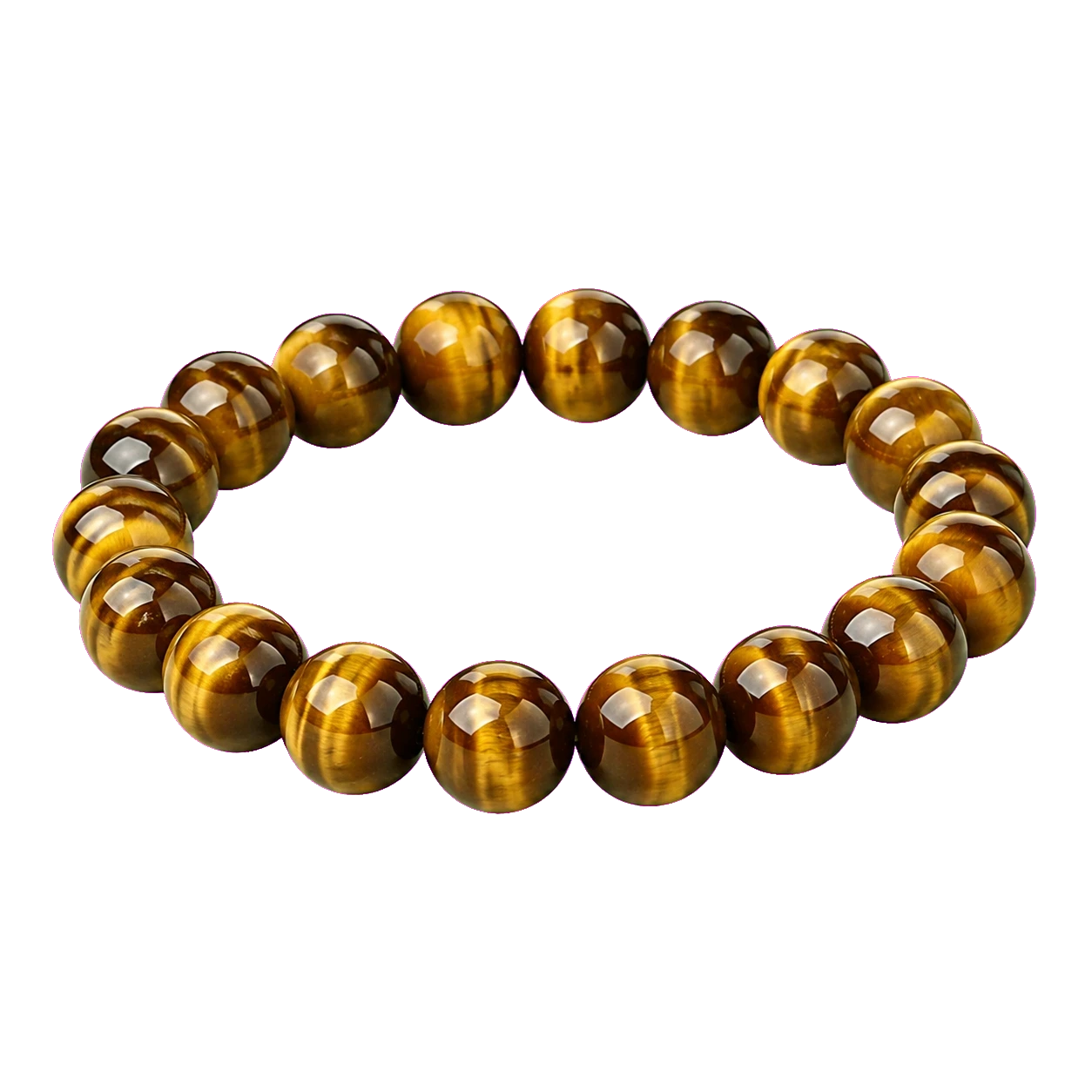
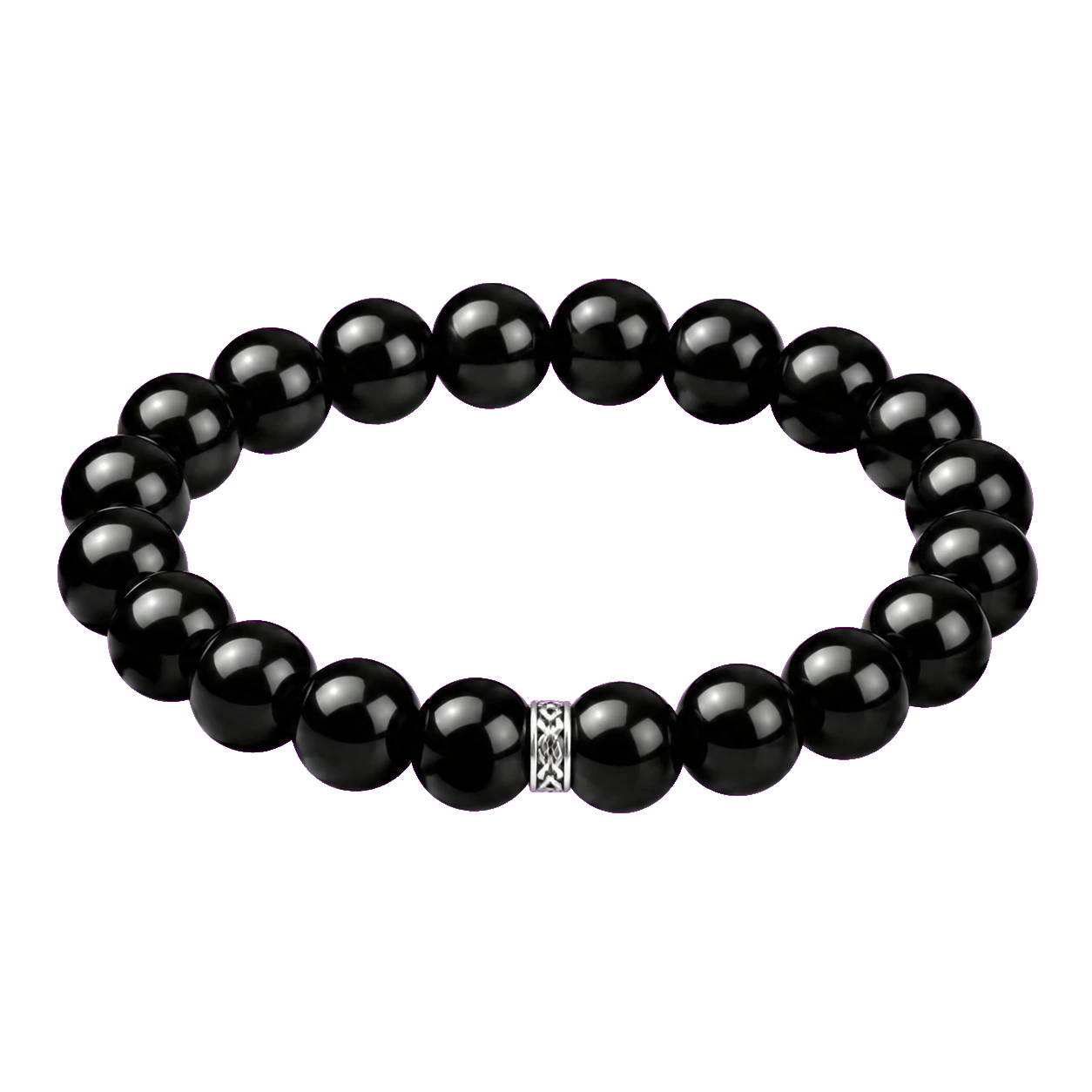
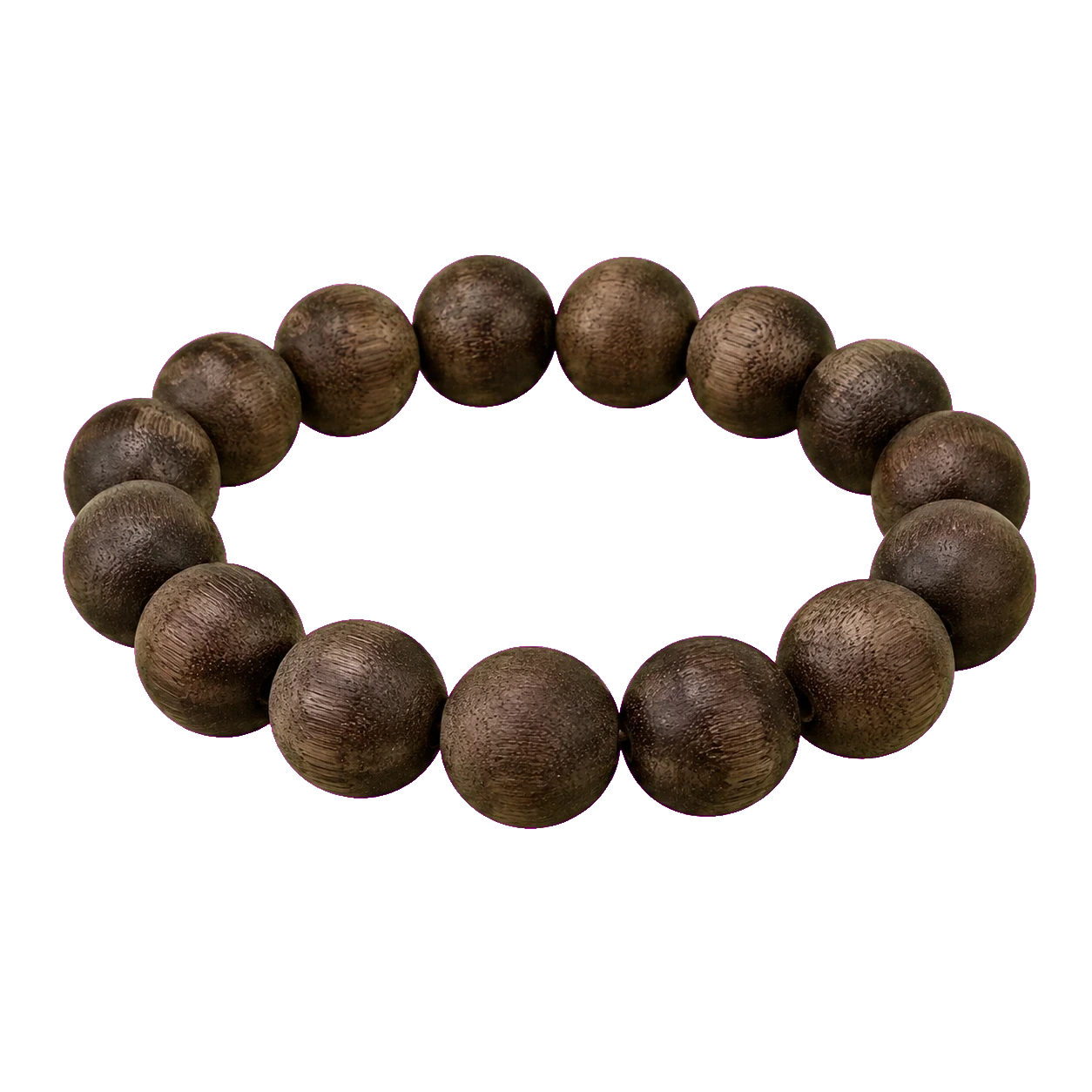
Historic Himalayan prayer beads are made from a remarkable range of materials. Material can signal a region, a practice, a family history, or simply a preferred tactile quality.
04b · Material atlas
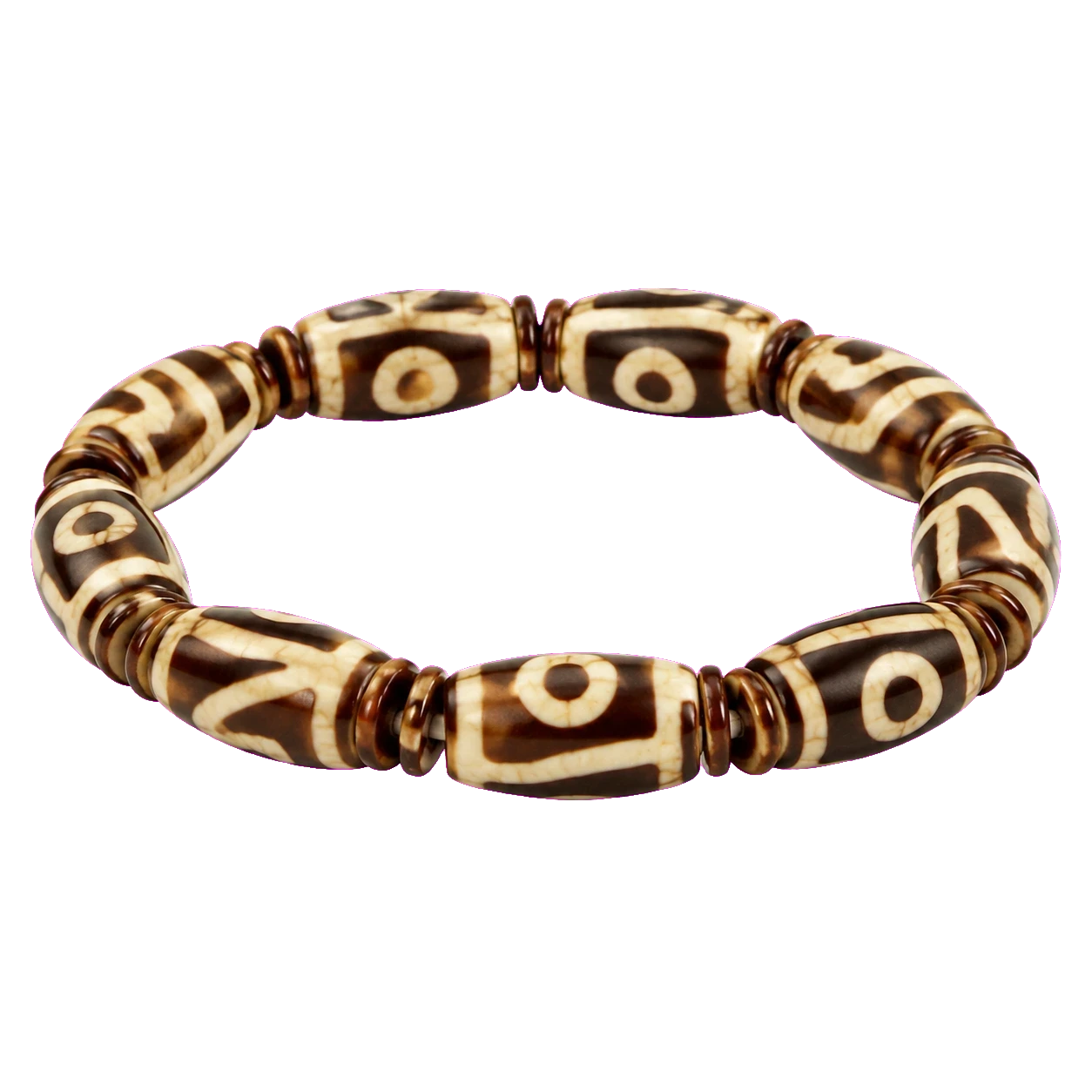
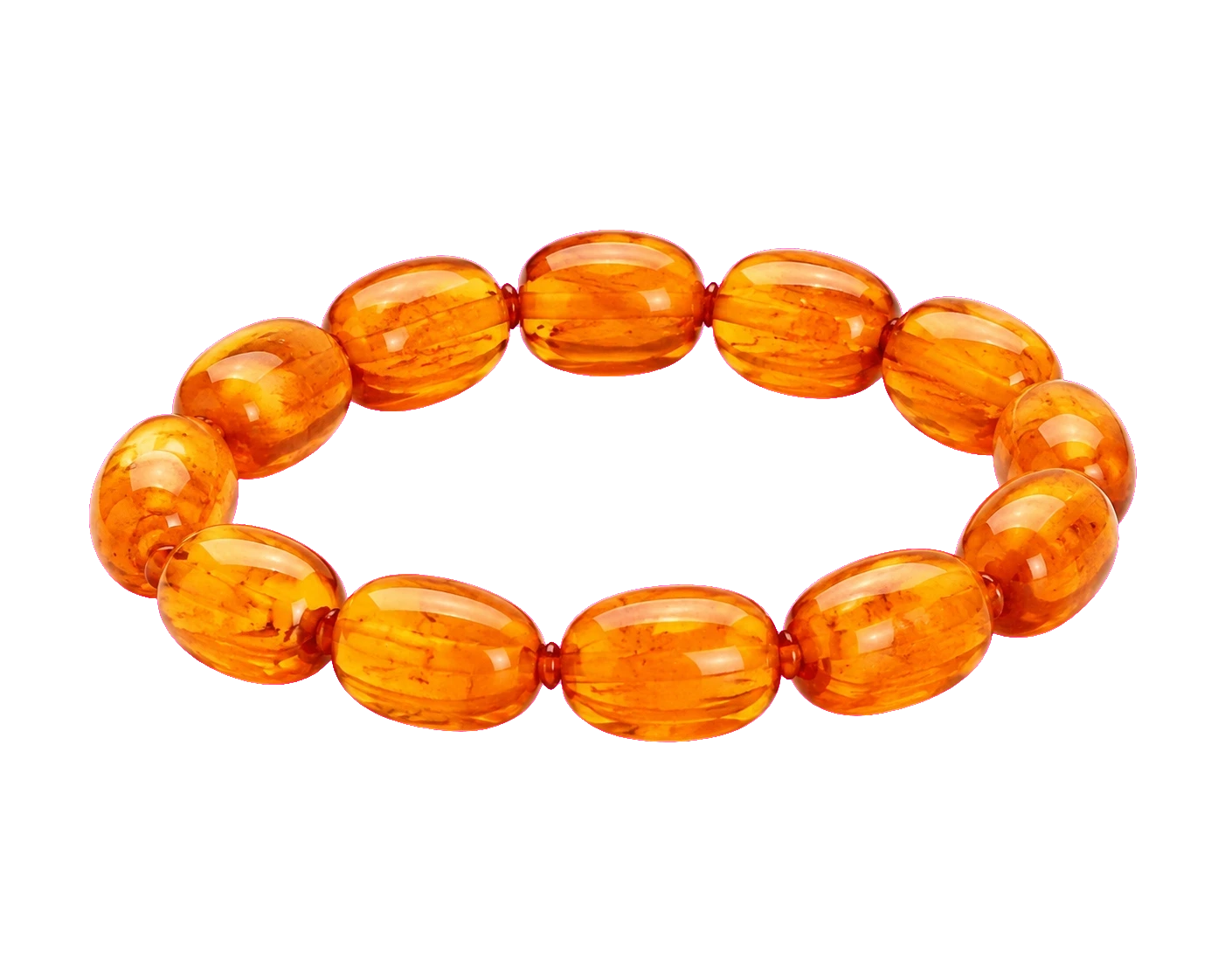
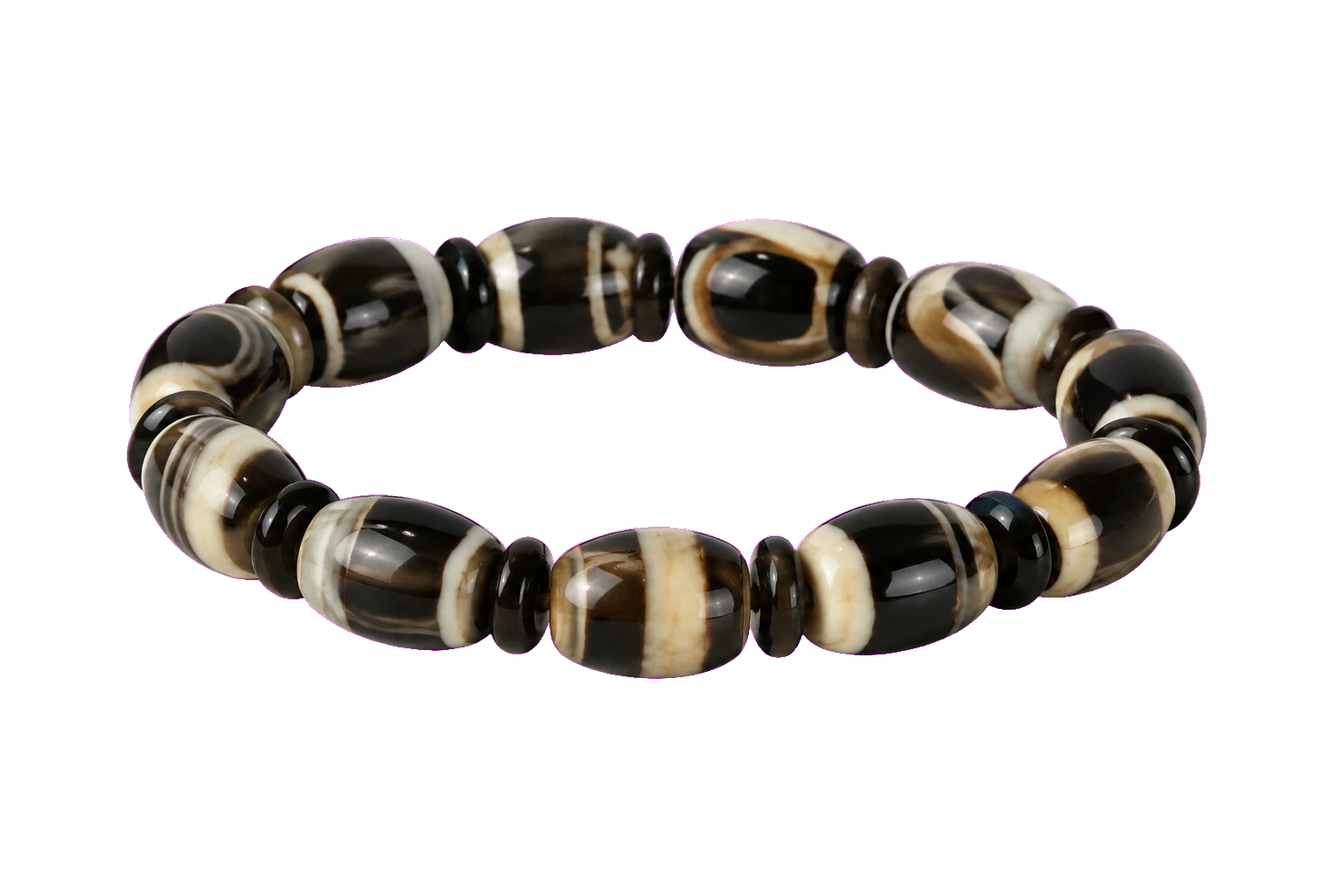
15 materials, one card at a time
Each image isolates a single material found in the reference guide. Descriptions are practical rather than promises of spiritual or medical outcomes.
05 · Modern daily wear
Wear the object with context.
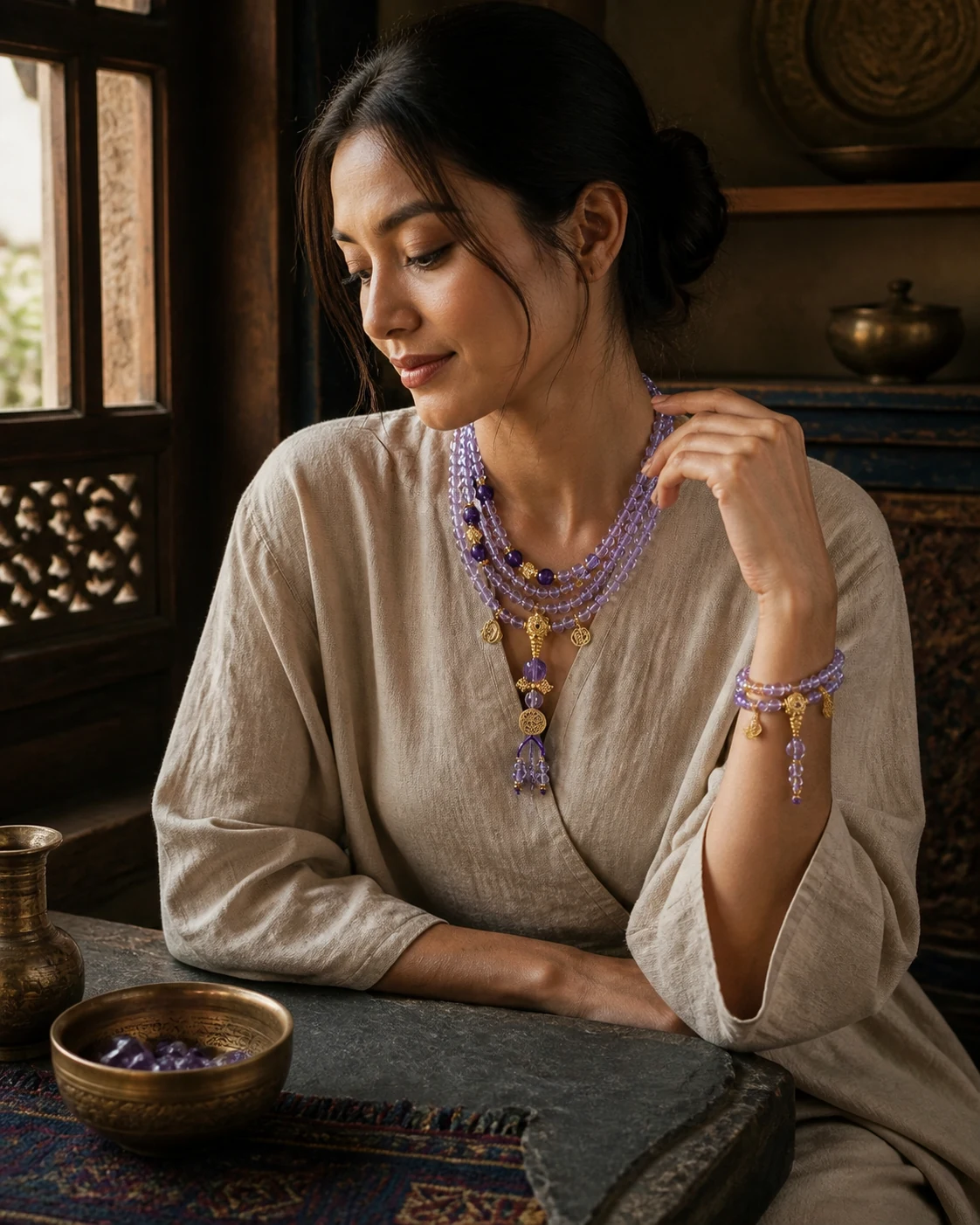
A mala may be worn as a necklace, wrapped at the wrist, carried in a bag, or kept on a desk. That can be a thoughtful modern use when it is paired with context: a tactile reminder to pause, a piece chosen for its craftsmanship, or an accessory with a story.
Respectful wear does not mean adopting an identity that is not yours. Avoid presenting a stone or seed as a medical treatment, a guaranteed source of protection, or a ritual credential.
Related pieces
Explore the materials in this guide
These are product recommendations, not consecrated ritual objects. Read individual product details for construction and care.
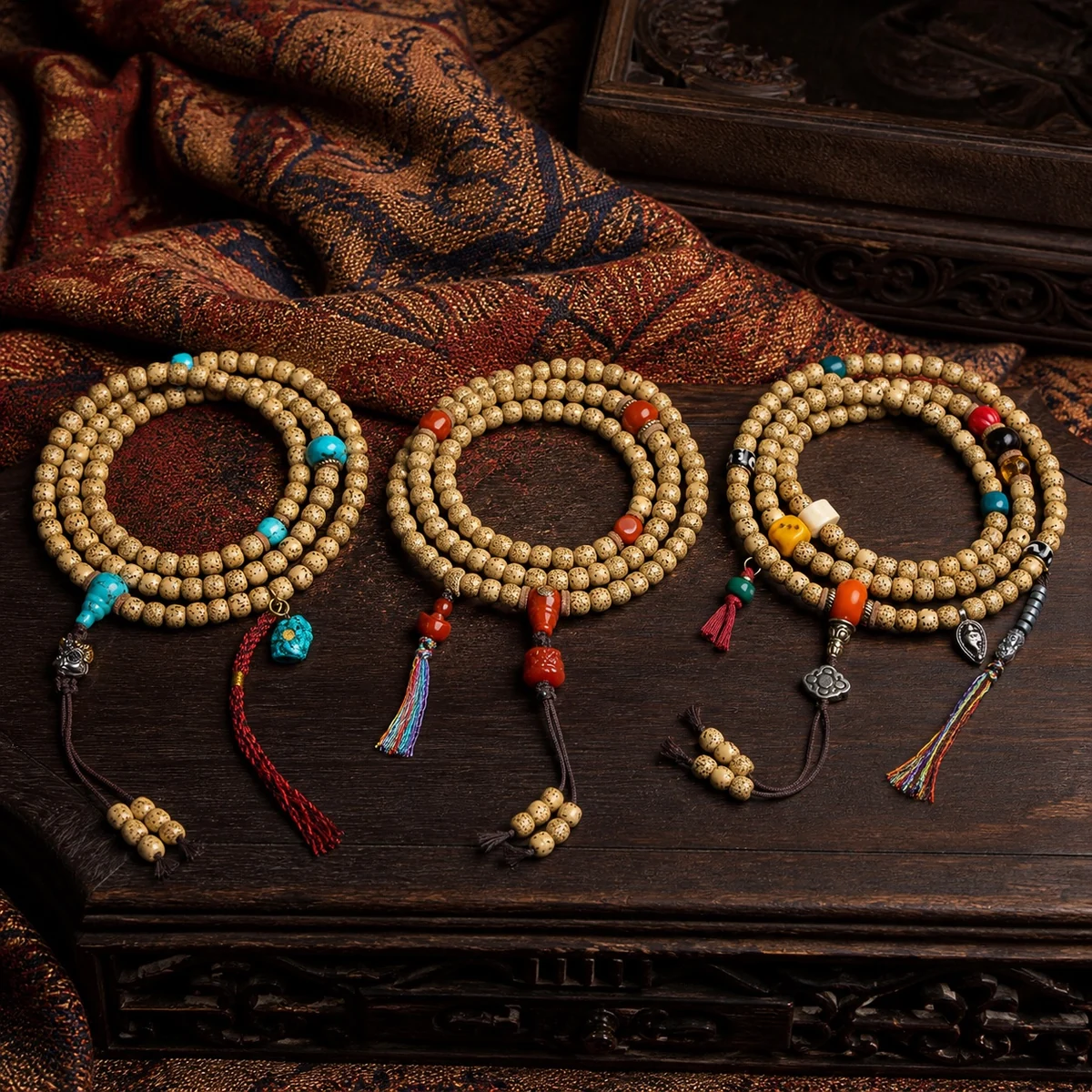
108-Bead Bodhi Seed Prayer Mala
Natural speckled seed beads with colorful accent choices and a tassel finish.
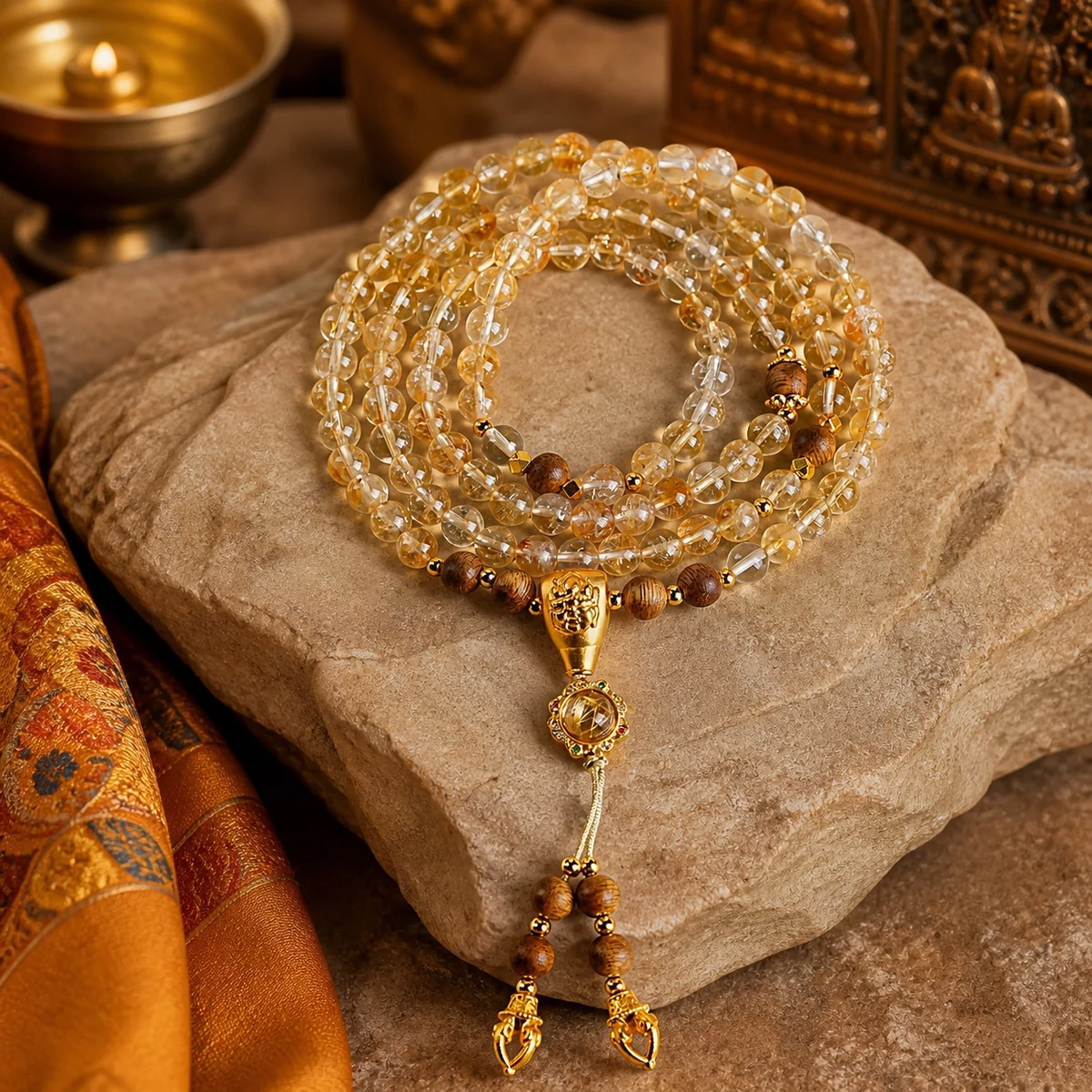
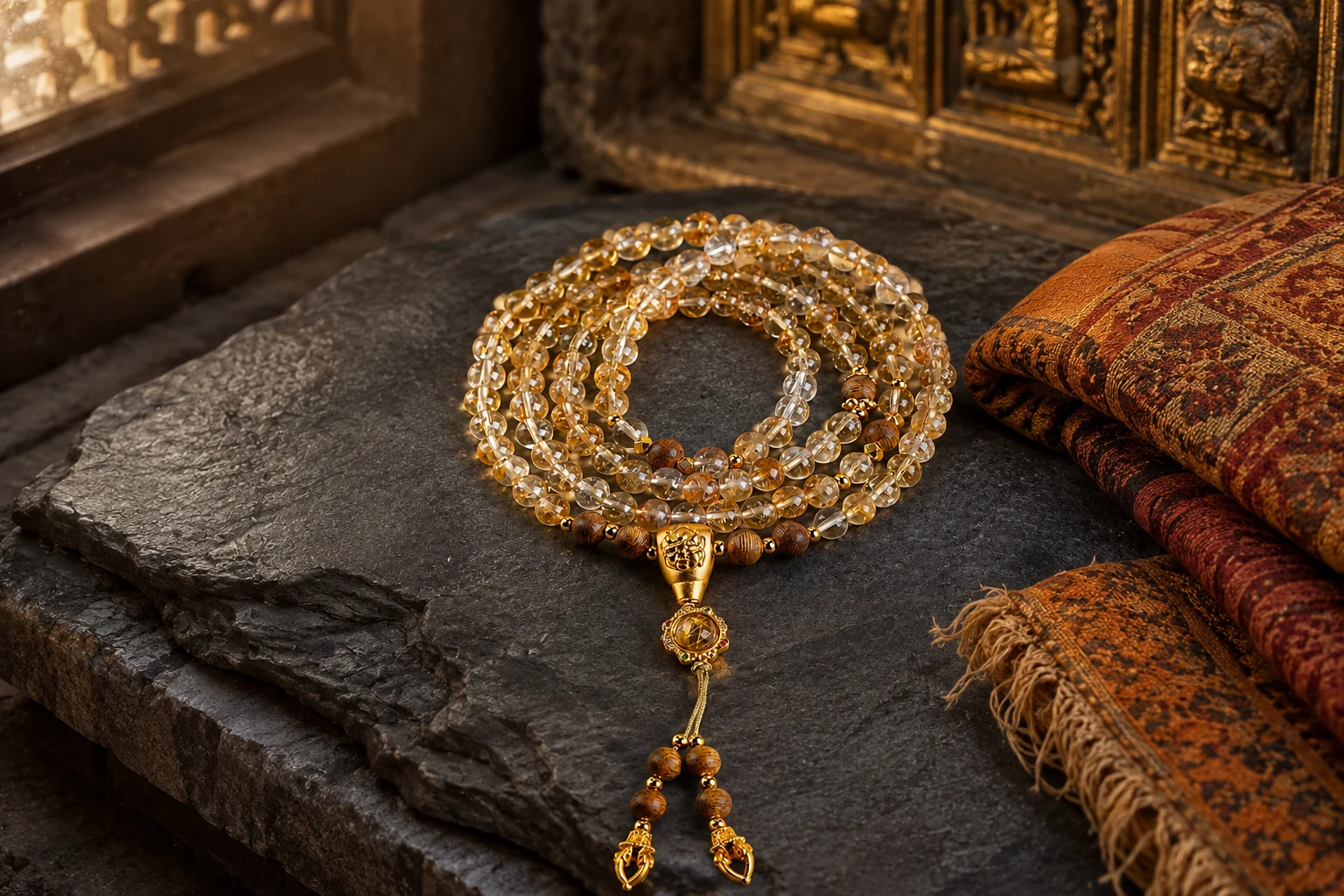
Golden Quartz Sandalwood Guru Mala
Warm quartz and wood-toned elements in a golden-brown palette.
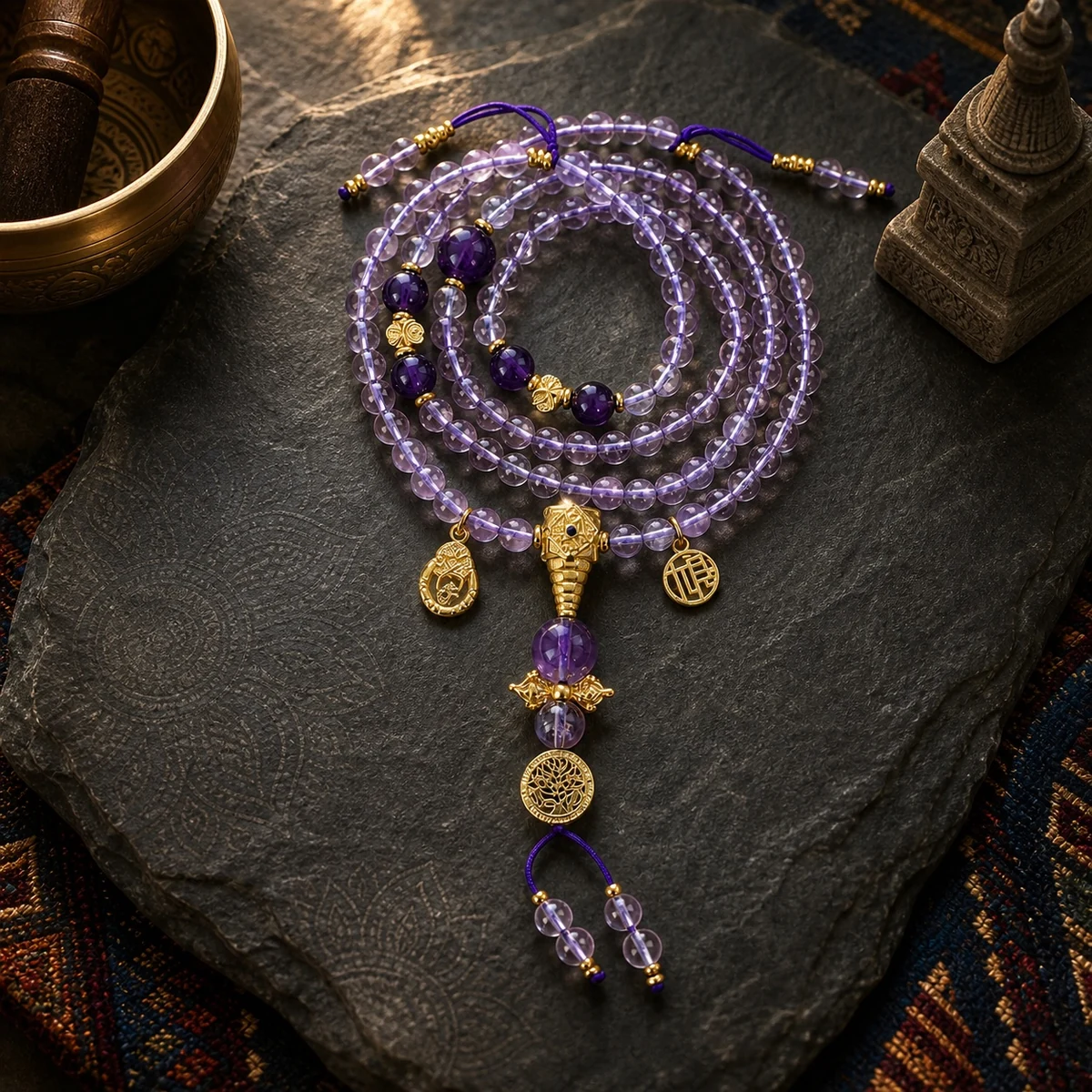
Amethyst & Clear Quartz Multi-Wrap Mala
A flexible violet strand for layered necklace or bracelet styling.
06 · Questions
Frequently asked questions
Are mala beads only Buddhist?
No. Prayer beads appear in many religions. This guide focuses on Tibetan Buddhist and Himalayan art contexts, where a mala is also called trengwa.
Does every mala have 108 beads?
No. 108 is a common full count, but shorter 21-, 27-, and 54-bead formats and many regional variations exist.
Can I wear a mala every day?
Yes—wear it with care and context. A mala can be a personal accessory, but it should not be used to claim a tradition, ritual status, or spiritual outcome.
How should I care for it?
Keep beads away from prolonged moisture, fragrance, and harsh cleaners. Store loosely so cords and tassels are not pulled; follow teacher or community guidance for a consecrated object.