FREE SHIPPING OVER $200

Symbols & Himalayan Stories · Field Notes
What Is a Mandala?
Tibetan Buddhist art, meditation, and the difference between sacred visual language and modern design.
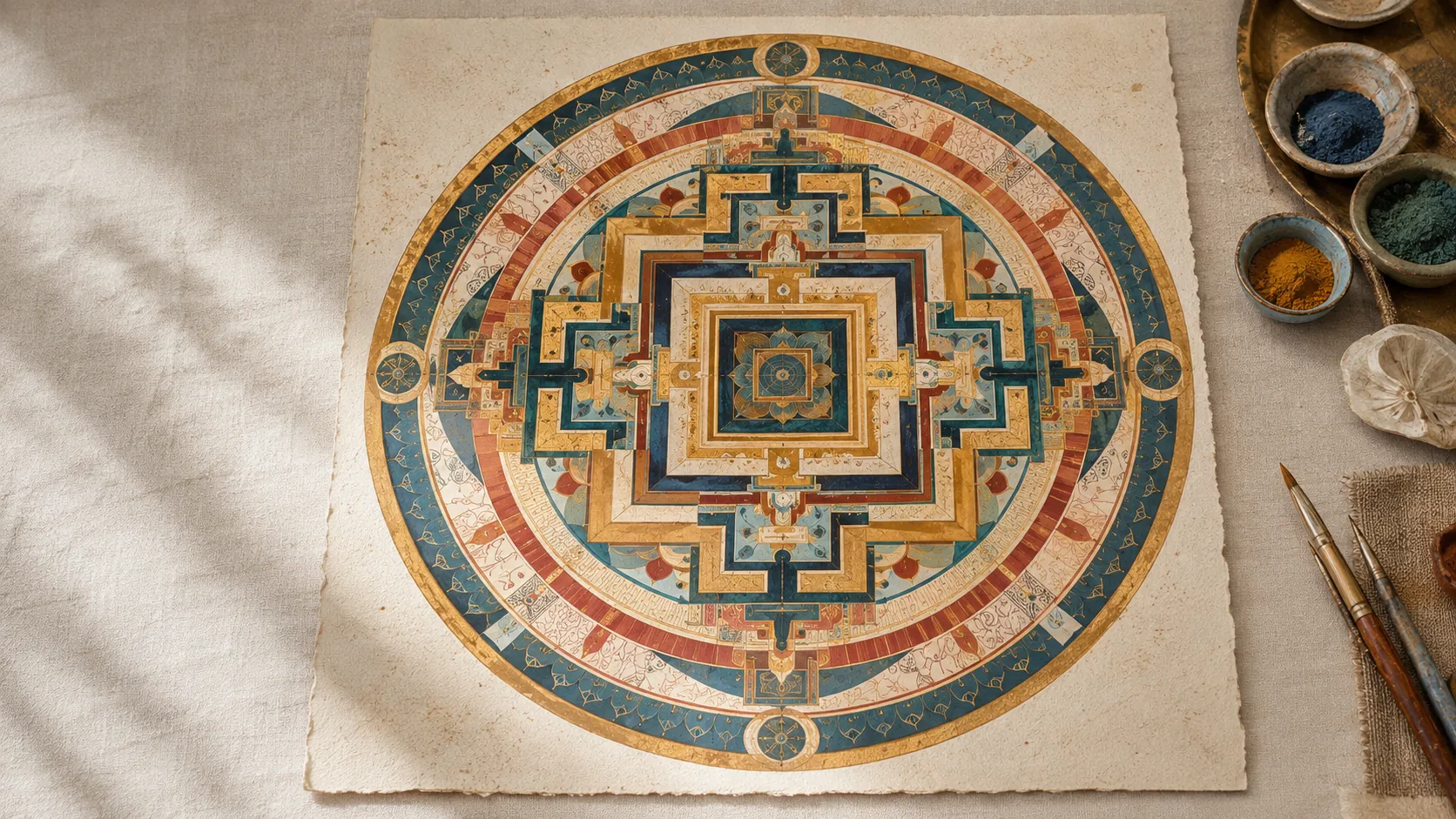
A mandala is more than a beautiful circular pattern. In Tibetan Buddhism, it is a sacred, ordered representation of an awakened universe: a visual support for meditation, ritual, and contemplation.
01 · Meaning
A center, and a world arranged around it.
The Sanskrit word mandala is often translated as “circle,” but its meaning is broader. Traditional Tibetan Buddhist mandalas may include circles, squares, palace gates, lotus petals, deities, symbols, and carefully ordered directions. Each element belongs to an integrated sacred space.
That is why Tibetan mandala meaning cannot be reduced to geometric decoration. In its religious context, a mandala is a map of practice: a way of contemplating a deity, a teaching, and the path toward awakening.
02 · Sacred space
A palace viewed from above—not simply a pattern.
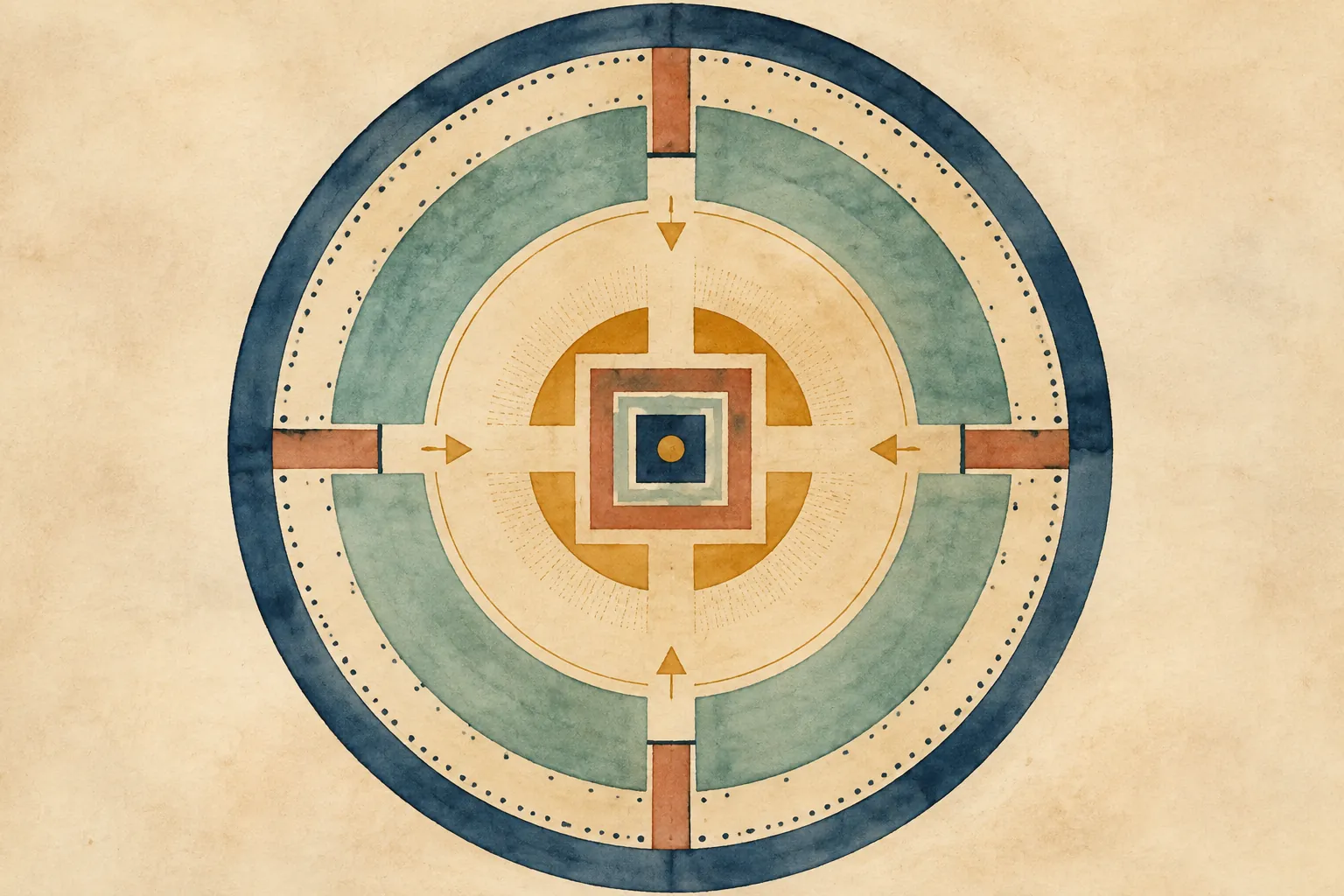
Many Tibetan Buddhist mandalas are structured like a celestial palace. At the center is the principal deity or Buddha; around it are architectural forms, gates facing the four directions, attendant figures, guardians, lotus rings, and protective boundaries.
| Element | A careful starting point |
|---|---|
| Center | The focal point, often associated with a principal deity, Buddha, sacred syllable, or ritual symbol. |
| Palace | A symbolic sacred environment with an architectural form. |
| Four gates | Directional points that establish order and symbolic orientation. |
| Outer boundaries | Rings of lotus, vajra, flame, or other imagery that may mark purity, protection, or transformation. |
03 · A distinction that matters
Mandala and mantra are not the same thing.
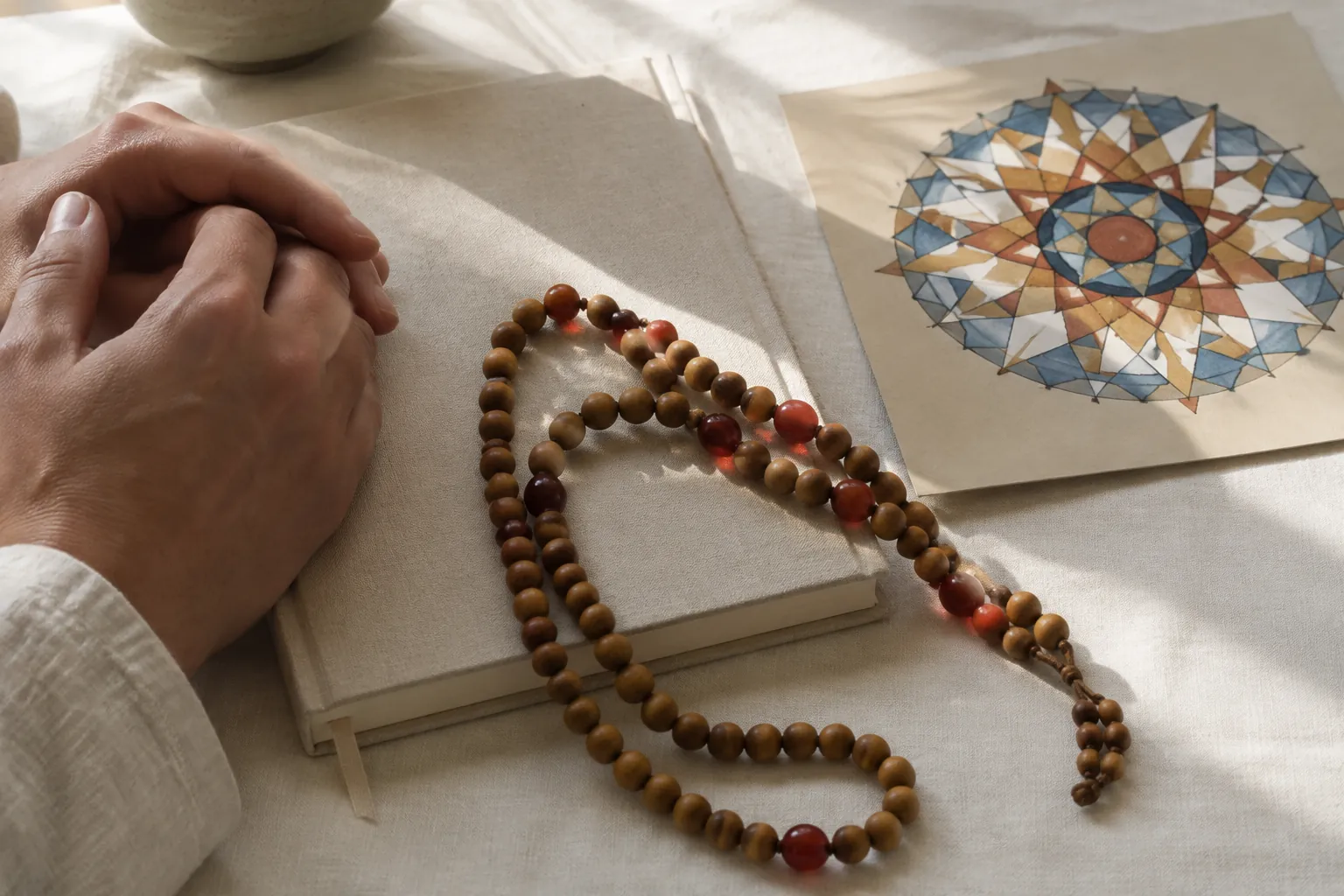
They may work together in Buddhist practice, but they are not interchangeable. A mantra is a sacred sound, syllable, or recitation; a mandala is a sacred diagram or organized ritual space.
| Term | Meaning | Primary medium |
|---|---|---|
| Mandala | A sacred diagram or organized ritual space | Image, space, visualization |
| Mantra | A sacred sound, syllable, or recitation | Voice, sound, memory |
04 · Impermanence
Why are sand mandalas destroyed?
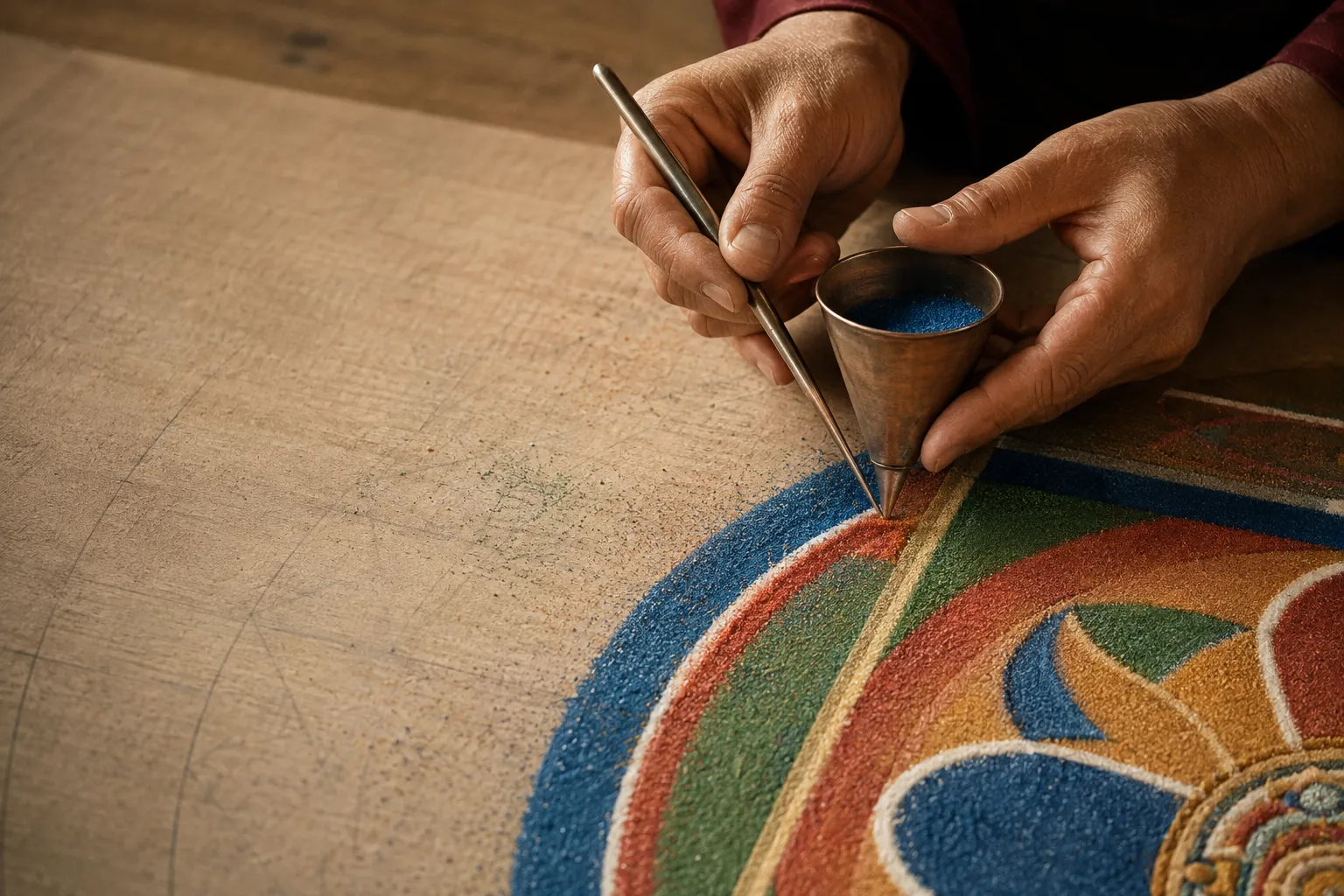
Monks may spend days or weeks placing colored sand grain by grain to create an intricate sacred design. When complete, the sand mandala is consecrated, used within its ritual context, and then ceremonially dismantled.
The dissolution is not a rejection of beauty. It is a teaching on impermanence: even something meticulously made and profoundly beautiful does not remain unchanged.
Beauty is not diminished by its impermanence; the sand mandala makes that truth visible.
05 · Modern design
Respectful design begins with accurate language.
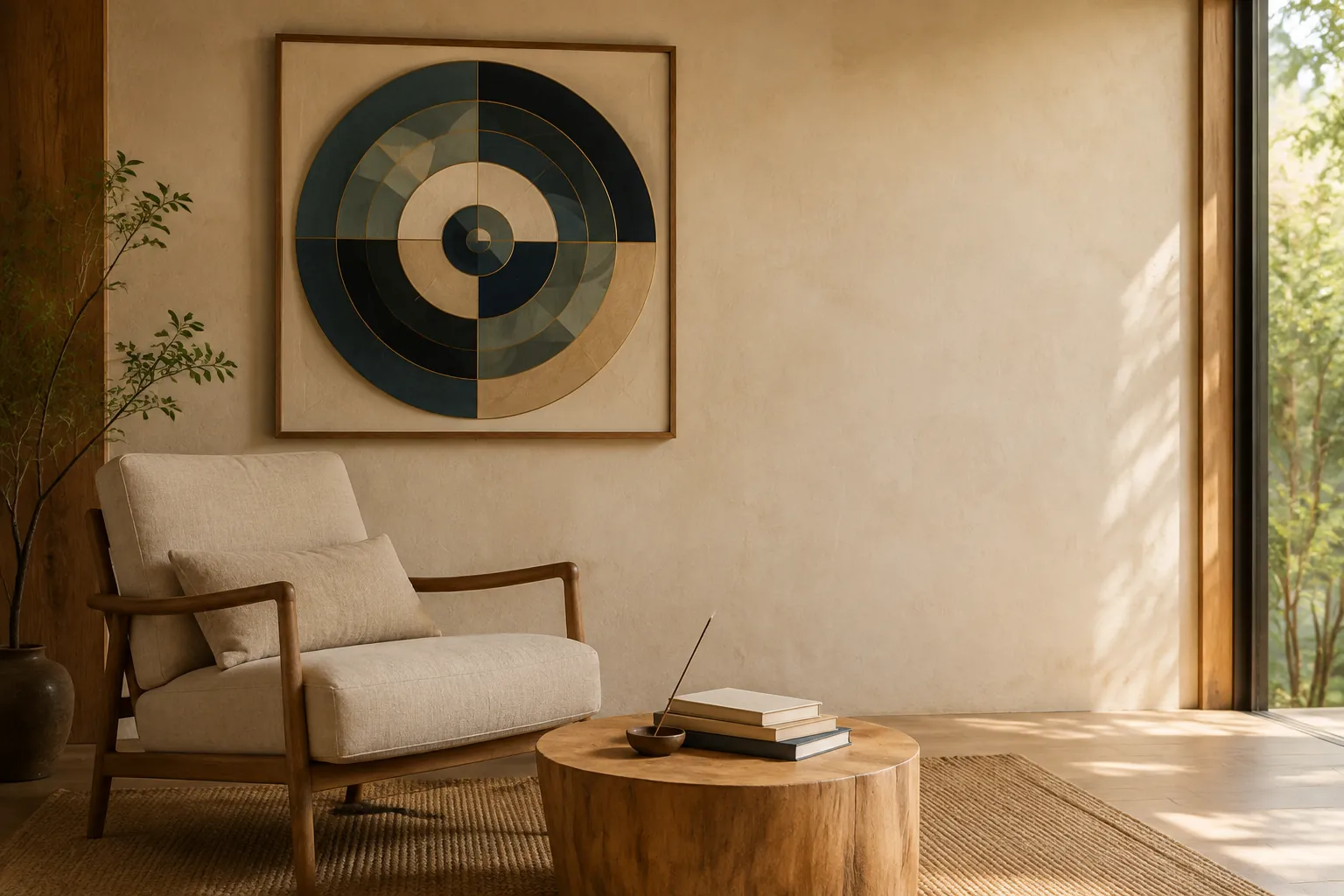
Today, mandala-inspired patterns appear in jewelry, textiles, home décor, and digital design. A modern symmetrical motif may be mandala-inspired without being a traditional Tibetan Buddhist mandala. A decorative pattern does not automatically carry the ritual role, lineage, deity associations, or religious authority of a consecrated sacred image.
A respectful approach
- Name the reference accurately.
- Keep claims modest.
- Give context instead of inventing mystical product stories.
- Use sacred script and iconography with extra care.
- Separate commercial objects from consecrated ones.
06 · Mindful viewing
Can a mandala help with meditation?
A mandala can be a meaningful focal point for quiet attention. Looking carefully at a detailed image, following its structure from the outer edge toward the center, or spending a few minutes with a single visual form may support a more intentional pause.
It is important not to overstate what mandalas do. They are not a substitute for medical or mental-health care, and no design can promise healing.
Explore with context
Modern pieces for mindful spaces.
These objects are contemporary, cultural, and decorative—not consecrated religious practice.
Tibetan Mandala Wall Hanging Tapestry
A contemporary wall textile referencing Himalayan visual language.
Round Mandala Meditation Mat
A modern meditation-space accessory with a radial printed design.
Red Agate Mandala Pendant Mala
A contemporary mala that helps distinguish mala from mandala.
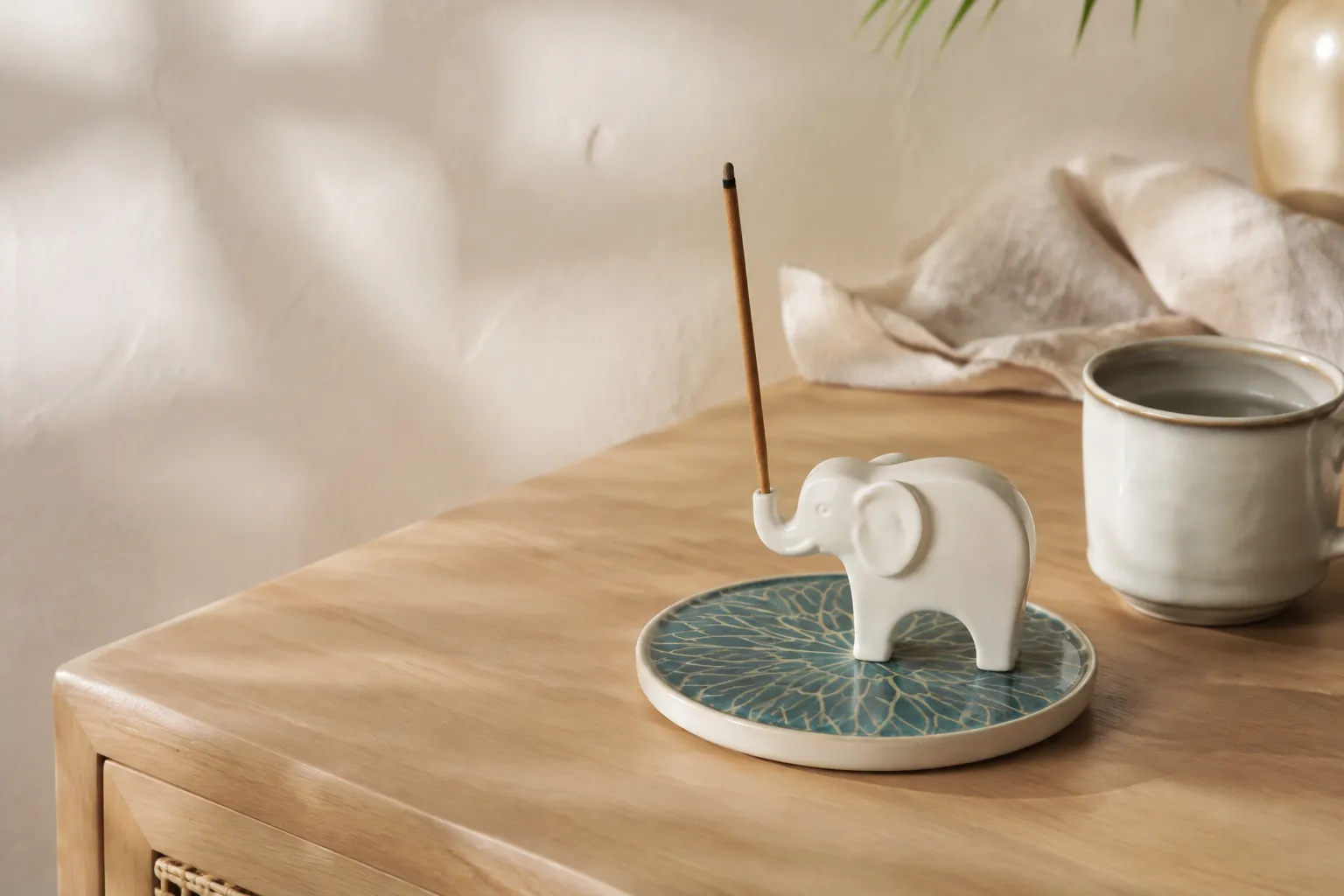
Ceramic White Elephant Incense Holder
A modern home accessory with a decorative radial base.
Common questions
FAQ
Is every circular design a mandala?
No. A traditional Tibetan Buddhist mandala has specific religious, symbolic, and ritual context.
Why do monks destroy sand mandalas?
They are ceremonially dismantled to express impermanence: even extraordinary beauty and careful work are temporary.
Are mandalas Buddhist or Hindu?
Mandalas appear across South Asian traditions; Tibetan Buddhist forms developed distinctive relationships to Vajrayana teaching and visualization.
Further reading
Sources
The Metropolitan Museum of Art: Mandalas: Mapping the Buddhist Art of Tibet
Smithsonian National Museum of Asian Art: Tibetan Healing Mandala FAQ