FREE SHIPPING OVER $200

Journal · Crystals & Gemstones
Raw, Tumbled,
or Worn?
Choose a crystal form for your actual life—by touch, durability, care, and the role the object will play in your day.
Quick answer
Choose the form that removes friction from the role you want the crystal to play. Raw pieces suit stable display, tumbled and palm stones suit touch, cloches protect delicate specimens, and wearables travel with you.
Form shapes use
The same mineral can ask for a completely different life.
A raw shard, glossy palm stone, pendant, and tiny specimen beneath glass may share a material but not a practical role.
Before asking what a stone symbolises, ask how it will meet your hands, shelves, clothing, and schedule.
Five forms, five roles
Match the form to the job.
A useful form earns its place by fitting a real habit, room, or relationship. Each option solves a different practical problem.
01
Texture & geology
Raw specimens
Best for a stable shelf or contemplative desk. Protect sharp edges, cleavage, and fragile points.
02
Pocket prompt
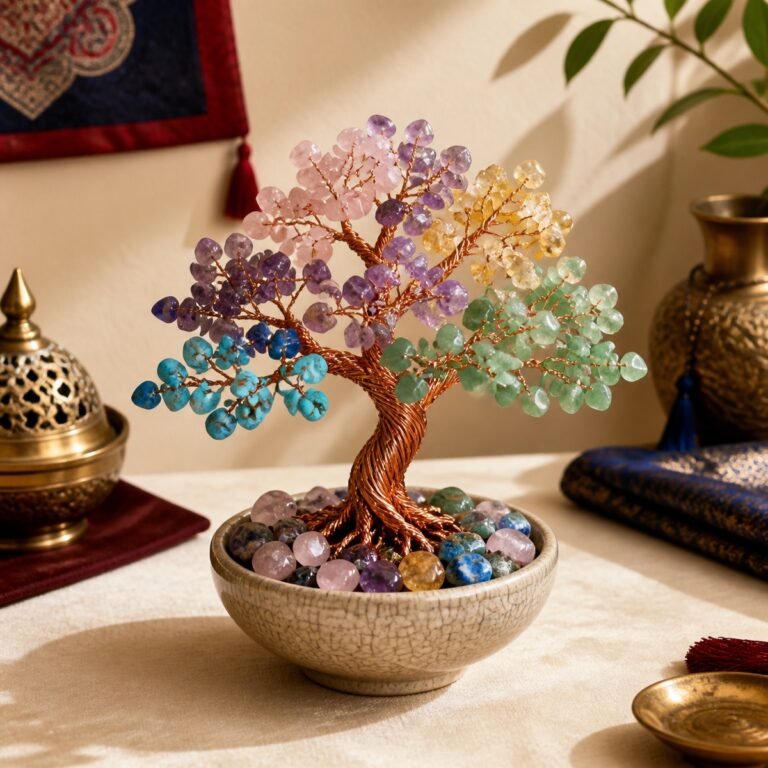
Tumbled stones
Comfortable to carry, simple to place in a bowl, and easy to wipe with a dry cloth.
03
Broad touch surface
Palm stones
Choose one only if you enjoy its weight. No object should become compulsory to carry.
04
Protected display
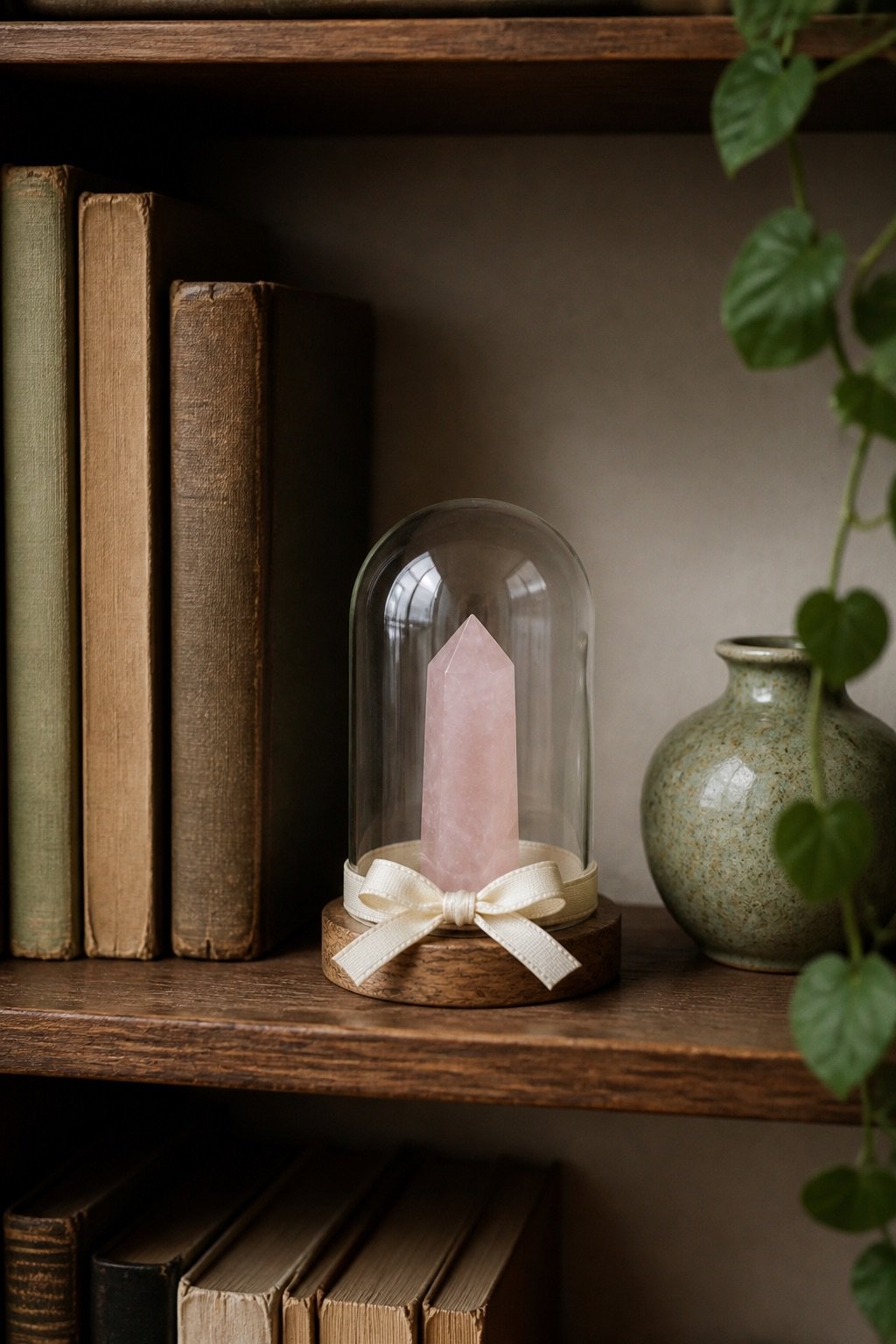
Cloches & jars
Turn a delicate miniature into a visual vignette without exposing it to dust or handling.
05
Travels with you
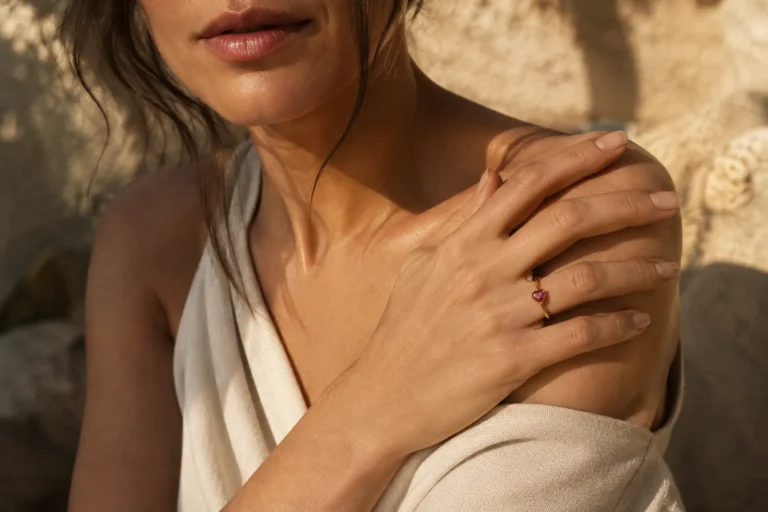
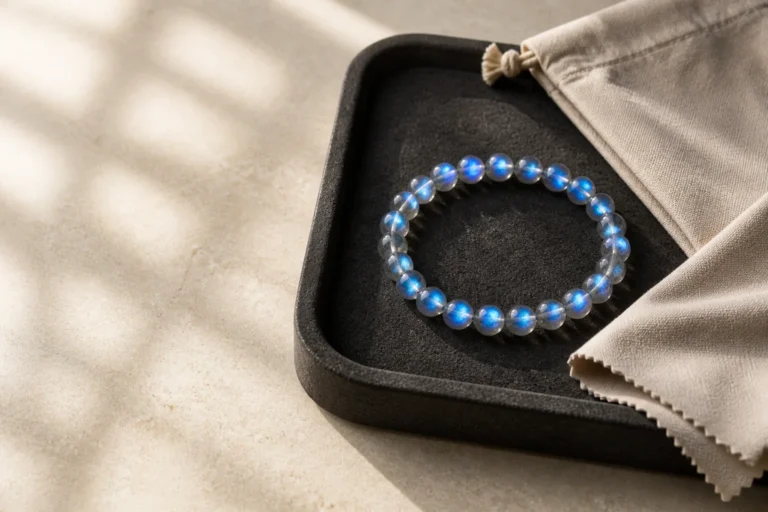
Wearables
Check mineral durability, metal sensitivity, string strength, and whether it catches on clothing.
A form is also a care decision
Display can protect—or quietly create risk.
A cloche turns a small specimen into a focal point, but the enclosure and its location still matter.
Keep the interior dryDo not seal moisture beneath glass.
Avoid direct sunBright windows can heat the enclosure and fade sensitive materials.
Give fragile points roomThe cover should protect the specimen without touching it.
A beautiful display is successful only when the object remains stable, visible, and easy to care for.
Use the
friction
question.
friction
question.
Ask before buying
What friction does this form remove?
A useful object makes a real action easier. The answer should be specific enough to picture in your day.
Tumbled: Does it fit the pocket or bowl where the reminder needs to live?
Raw: Does its visual character earn a stable place instead of disappearing into a drawer?
Worn: Can it remind you of a person without requiring another shelf?
Touch is practical information
Weight, scale, and comfort matter.
A palm stone offers a broad, smooth surface, but its value depends on whether you genuinely enjoy holding it. Test the physical experience before assigning it a daily role.
If there is no clear answer, do not buy yet.
Waiting is an excellent part of collecting.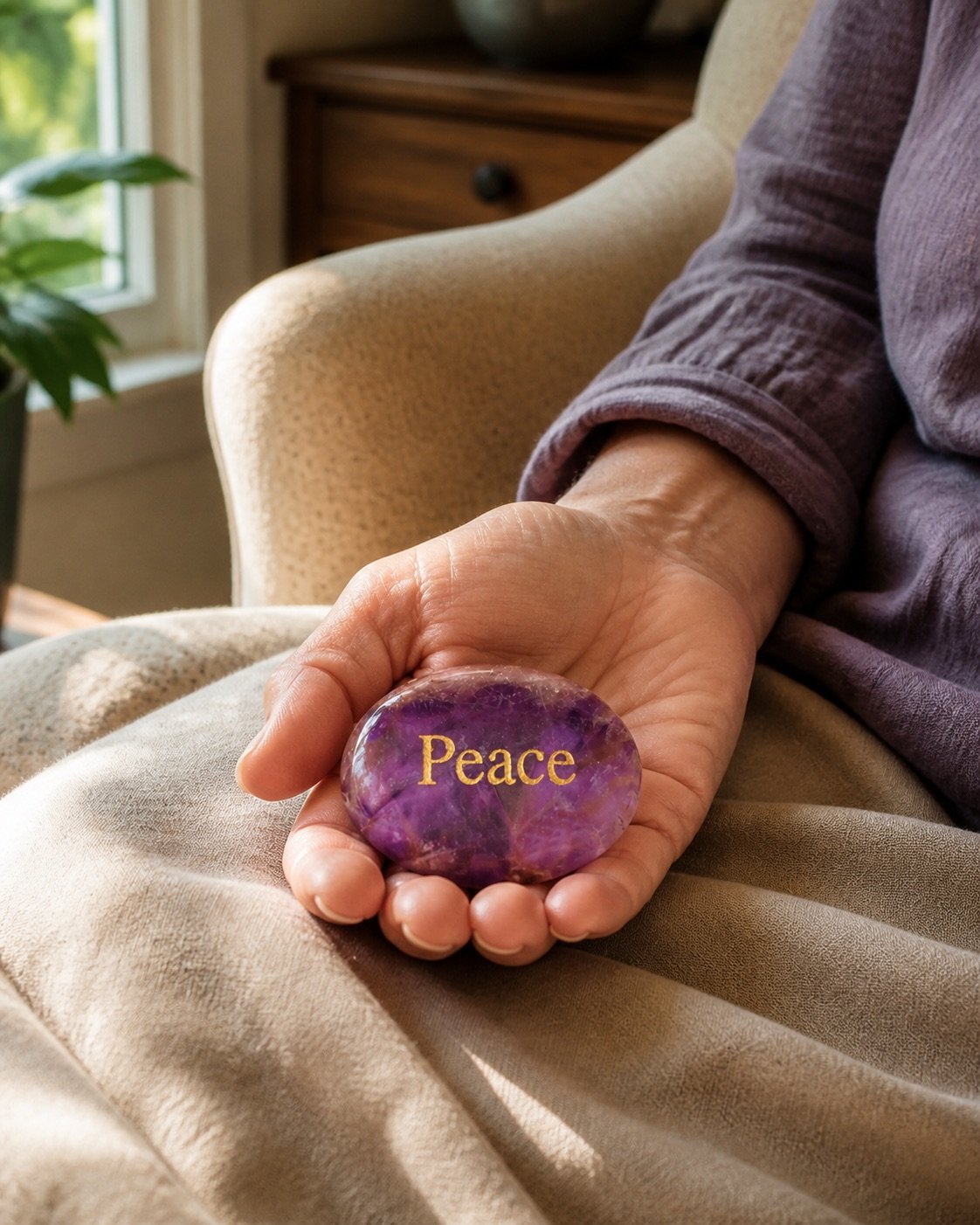
Match care
to form.
to form.
When material information is incomplete
Default to gentle handling.
Soft, porous, layered, or coated materials can be harmed by water, sunlight, perfume, and abrasion. Keep original seller information with the piece, and use dry, padded storage when unsure.
Keep dryAvoid heatLimit abrasionSave provenance
Source context: Original article informed by 思逸, 能量宝石疗愈全书, which distinguishes mineral properties and common treatments. Practical handling advice is intentionally foregrounded. For mineral identification and care references, consult the Mindat mineral database. For objects that can support a grounded daily practice, browse the Himalayan Ritual shop.
When choosing raw, tumbled, or wearable crystals, match the form to your routine, storage space, and comfort so the piece remains useful and cared for over time.